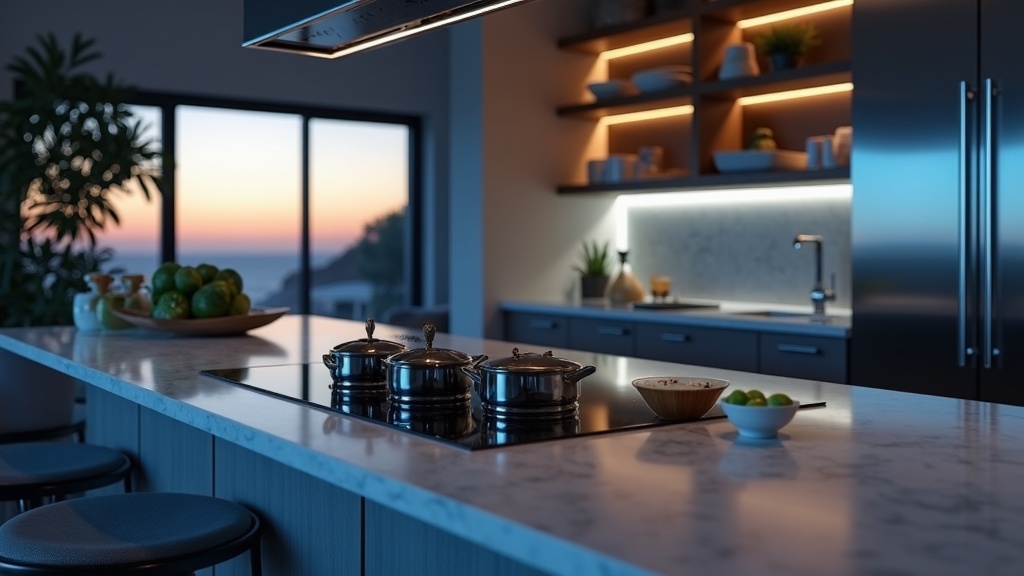
New-build homes in Costa del Sol are increasingly integrating climate-resilient features. Coastal properties benefit from sea breezes and focused anti-humidity tech, while inland homes excel with insulation and smart heating/cooling to manage greater temperature extremes. Both zones offer stunning modern designs, but your ideal choice depends on your preferred microclimate and lifestyle.
Having helped over 500 international families find their dream properties here on the Costa del Sol, I've seen firsthand how crucial it is to consider not just the views or amenities, but also how a home performs throughout the year. For those dreaming of a carefree life under the Spanish sun, understanding the nuances of coastal versus inland living, especially concerning climate resilience in new-builds, is paramount. We, at Del Sol Prime Homes, together with our partners, bring over 35 years of combined experience to help you navigate these important choices.
Why is Climate Resilience More Important Than Ever for New-Builds in Costa del Sol?
When you're investing in a new chapter of your life in southern Spain, you're not just buyin[[2]][[1]]g a property; you're buying into a lifestyle. And that lifestyle is inextricably linked to our glorious climate. However, as global weather patterns shift, designers and developers in Costa del Sol are increasingly focusing on building homes that don't just endure the climate but thrive within it, ensuring comfort and efficiency all year round. This focus on climate resilience is a game-changer for new-builds, differentiating them significantly from older properties.
The Shift in Modern Construction Standards
In my many years in this industry, I’ve witnessed a remarkable evolution in construction. Gone are the days of basic homes that relied solely on thick walls for insulation. Today, the focus is on sophisticated, integrated solutions. Developers are now adopting stricter building codes and employing advanced materials and technologies to enhance energy efficiency and comfort. For example, the Spanish Technical Building Code (CTE) [CITATION_NEEDED: Código Técnico de la Edificación official government site] mandates specific energy performance standards that directly impact climate resilience.
- Improved Insulation: Modern new-builds feature advanced thermal insulation in walls, roofs, and floors, significantly reducing heat transfer. This keeps interiors cooler in summer and warmer in winter, cutting down on energy consumption.
- High-Performance Glazing: Double or triple-glazed windows with low-emissivity (low-E) coatings are standard, reflecting heat away in summer and retaining it in winter.
- Sustainable Materials: A growing number of projects use locally sourced, sustainable materials that offer natural insulation properties and a lower environmental footprint.
- Integrated Smart Systems: Many new homes come equipped with smart thermostats, automated blinds, and energy management systems that optimize indoor climate control based on external conditions and user preferences.
Understanding Costa del Sol's Microclimates
One of the most fascinating aspects of the Costa del Sol is its diverse microclimates. From the bustling coastal towns to the serene inland villages, temperatures, humidity levels, and wind patterns can vary significantly, even over short distances. We often tell clients that identifying these microclimatic differences is key to choosing the right location and property type [INTERNAL_LINK: choosing the right location Costa del Sol].
For instance, coastal areas like Marbella and Estepona benefit from the moderating effect of the Mediterranean Sea, offering milder winters and sea breezes that can mitigate summer heat. Inland, places like Benahavis or Coin experience larger diurnal temperature ranges – hotter days and cooler nights – and often drier air. Your choice of location should therefore align with the specific climate resilience features offered by new-builds in that area.
Coastal New-Build Homes: Embracing the Sea Air While Mitigating Humidity
Ah, the appeal of a coastal home! The sound of the waves, the scent of the sea air, and those stunning Mediterranean vistas. New-build homes along our beautiful coastline, from Fuengirola to Benalmádena and Estepona, are specifically designed to maximize these benefits while expertly mitigating the challenges, primarily humidity and the occasional sea spray.
Design Innovations for Coastal Living
Developers are acutely aware of the unique demands of a seafront location. In my experience helping international buyers over the years, clients are often delighted by how modern properties address these specific needs. For instance, in areas like Marbella East, we see incredible new developments incorporating these features:
- Advanced Ventilation Systems: To combat humidity, many new-builds include state-of-the-art mechanical ventilation with heat recovery (MVHR) systems that bring in fresh, filtered air while expelling stale, humid air, all without significant heat loss or gain.
- Humidity-Resistant Materials: Developers opt for materials less susceptible to moisture damage, such as marine-grade metals, treated woods, and specialized paints and coatings that resist mildew and corrosion.
- Optimized Window Placement and Shading: Large windows are strategically placed to capture sea breezes for natural cooling, often complemented by external shading systems like pergolas, adjustable louvers, or automated awnings to prevent excessive solar gain.
- Saltwater-Resistant Landscaping: Gardens in coastal new-builds often feature drought-tolerant and salt-resistant plants, reducing water consumption and maintenance, a crucial consideration for a truly carefree lifestyle.
Pros and Cons of Coastal Climate Resilience
Let's break down what you can expect from these meticulously designed coastal properties:
Pros:
- Natural Temperature Regulation: Sea breezes provide a natural cooling effect in summer, often reducing reliance on air conditioning.
- Milder Winters: The sea's thermal mass means coastal areas tend to have gentler winters with fewer extreme cold snaps.
- Designed for Open-Air Living: Homes are often conceived with expansive terraces, seamless indoor-outdoor flow, and materials chosen to withstand the elements, inviting al fresco living.
- Advanced Anti-Corrosion Measures: Fixtures and fittings are often specified to resist salt corrosion, ensuring longevity.
Cons:
- Higher Humidity Levels: While better managed in new-builds, humidity can still be a factor, requiring consistent use of ventilation systems.
- Potential for Sea Spray and Sand: Properties very close to the beachfront may contend with sea spray and sand, necessitating more frequent external cleaning.
- Higher Maintenance of Exteriors: Despite resilient materials, the exterior of coastal properties may require more frequent cleaning or treatment due to salt exposure.
When considering a property in a prime coastal location like Estepona or Benalmádena, we always encourage clients to check the specific materials used and the maintenance contracts for communal areas. For instance, a luxury apartment in a new development in Puerto Banús will have very different climate resilience features than a villa further inland [INTERNAL_LINK: luxury apartments Puerto Banús].
Inland New-Build Homes: Mastering Temperature Extremes with Thermal Efficiency
Venturing just a few kilometers inland, the climate subtly shifts. Areas like Mijas Pueblo, Benahavis, or even the more accessible parts of Coin offer a different kind of charm – often characterized by stunning mountain views, a more tranquil pace of life, and typically larger plots of land. New-build homes here are engineered to tackle greater temperature variations, ensuring year-round comfort despite potentially hotter summers and cooler winters.
Engineering for Inland Microclimates
Inland properties may not contend with sea salt or high humidity, but they face their own set of challenges, predominantly relating to temperature fluctuations. Modern inland developments are tackling these head-on, delivering incredibly comfortable and efficient living spaces. In my professional capacity, I’ve seen some stunning examples in developments nestled in the hills of Mijas, for example, which artfully blend traditional aesthetics with cutting-edge climate control.
- Superior Thermal Mass Construction: Many inland new-builds incorporate high thermal mass materials like thick concrete or insulated concrete forms (ICF) that absorb and slowly release heat, stabilizing indoor temperatures.
- Enhanced Roof Insulation: With greater exposure to direct sun and potential for cooler nights, roof insulation is often even more robust than in coastal areas, sometimes incorporating reflective layers.
- Integrated Heating and Cooling Systems: Advanced air-source heat pumps or geothermal systems are common, providing highly efficient heating in winter and cooling in summer, expertly managing the larger temperature swings. Underfloor heating is also a very popular and efficient solution [INTERNAL_LINK: underfloor heating new builds Costa del Sol].
- Strategic Landscaping for Shade: Gardens are often thoughtfully designed with mature trees and pergolas to provide natural shade, reducing direct solar gain on the building envelope and creating cooler outdoor living spaces.
Pros and Cons of Inland Climate Resilience
Let's weigh the advantages and considerations for new-builds located away from the immediate coastline:
Pros:
- Excellent Thermal Regulation: Designed to maintain a more consistent indoor temperature despite external extremes, leading to lower energy bills.
- Drier Air: Generally lower humidity levels contribute to a more comfortable feel, especially in summer.
- Reduced Corrosion Risk: Without the sea salt, external materials and fittings face less corrosion.
- Quieter Environment: Often positioned away from coastal hustle, offering a more peaceful and insulated living experience.
Cons:
- Hotter Summers: While well-managed by the homes, daytime temperatures can feel considerably higher than on the coast, potentially increasing reliance on air conditioning.
- Cooler Winters: Nights can be colder, making efficient heating systems a necessity rather than a luxury.
- Less Natural Cooling: Less access to consistent sea breezes means a greater reliance on mechanical ventilation and cooling.
We've guided many families to beautiful inland properties near charming villages like Mijas Pueblo, where the quality of new construction perfectly aligns with the desire for tranquility and year-round comfort. They’ve found that the smart design of these homes truly makes a difference.
Key Climate Resilience Features Common to All New-Builds in Costa del Sol
While coastal and inland properties have their specific design considerations, there are several foundational climate resilience features that you can expect to find in almost all high-quality new-build homes across the Costa del Sol. These are non-negotiable elements that ensure comfort, sustainability, and efficiency, regardless of the exact location. As a certified professional, I always emphasize checking for these during a property viewing [INTERNAL_LINK: property viewing checklist Costa del Sol].
Sustainable Energy Solutions
The drive towards sustainability is strong in Spain, and new developments are at the forefront of this movement. Developers are increasingly integrating renewable energy sources to reduce electricity consumption and carbon footprints. The push from local governments and EU directives also plays a significant role in this [CITATION_NEEDED: EU Renewable Energy Directive].
Solar Power Integration:
- Photovoltaic Panels: Many new villas and even some apartment complexes include rooftop solar panels for electricity generation, often feeding surplus power back into the grid. This significantly reduces running costs.
- Solar Thermal Collectors: These systems are widely used for domestic hot water heating, saving substantial amounts of energy compared to traditional electric boilers.
Aerothermal and Geothermal Systems:
- These highly efficient systems extract heat from the air or ground to provide heating, cooling, and hot water, offering an environmentally friendly alternative to conventional HVAC. I always recommend clients explore the specific type of system installed, as it directly impacts your energy bills.
Water Management and Conservation
Water is a precious resource, especially in our sunny climate. New-builds are increasingly designed with intelligent water management systems to minimize waste and promote sustainability.
- Rainwater Harvesting: Systems for collecting and storing rainwater for irrigation or non-potable uses are becoming more common, especially in villas with larger gardens.
- Greywater Recycling: Some advanced properties feature greywater recycling systems, where water from showers and sinks is treated and reused for toilet flushing or irrigation.
- Drought-Tolerant Landscaping: Gardens are conceived with native, Mediterranean plant species that require minimal irrigation, often coupled with drip irrigation systems for efficiency.
- Low-Flow Fixtures: All modern bathrooms and kitchens are equipped with water-saving taps, showers, and toilets.
Smart Home Technology for Climate Control
Technology is no longer a luxury but an integral part of modern, climate-resilient homes. Smart home systems offer unparalleled control and efficiency.
- Automated Climate Control: Smart thermostats learn your preferences and adjust heating and cooling based on occupancy and external weather forecasts.
- Integrated Shading Solutions: Automated blinds, shutters, or pergolas can be programmed to open or close based on sun exposure, preventing overheating or heat loss.
- Remote Monitoring and Control: You can manage your home's climate from anywhere in the world via a smartphone app, ensuring optimal conditions when you arrive or leave.
- Energy Monitoring: Many systems provide real-time data on energy consumption, empowering you to make informed decisions about your usage.
We've seen clients from the UK, Ireland, and beyond truly appreciate these integrated technologies, as they offer both comfort and peace of mind, aligning perfectly with the desire for a carefree lifestyle.
Choosing Your Ideal Climate-Resilient New-Build: Coastal Bliss or Inland Tranquility?
The decision between a coastal and an inland new-build on the Costa del Sol ultimately comes down to your personal preferences, lifestyle, and how you envision your life unfolding here. There's no single "better" option; only the one that's perfect for you. As your trusted advisor, I encourage you to consider these factors thoughtfully.
Aligning Location with Lifestyle
Think about what truly calls to you:
- Coastal Living: If you dream of waking up to sea views, enjoying regular beach walks, being close to vibrant promenades, and having easy access to marinas and watersports, then a new-build in Marbella, Estepona, or Fuengirola might be your ideal. The moderated coastal climate, enhanced by modern design, offers a truly unique experience.
- Inland Retreat: If tranquility, privacy, stunning mountain panoramas, and a more authentic Spanish village experience appeal to you, then consider areas like Mijas, Benahavis, or even further afield towards Coín. These new-builds provide a haven of peace, expertly designed to manage the distinct inland climate. You often find more expansive plots and a greater sense of space here [INTERNAL_LINK: villas with large plots Costa del Sol].
Budgetary and Investment Considerations
While this article focuses on climate resilience, it’s impossible to ignore the financial aspects without being Hans Beeckman. Property prices can vary significantly between coastal and inland locations, as can running costs and long-term investment potential.
- Coastal Premiums: Generally, properties on the immediate coastline or in highly sought-after coastal towns like Marbella fetch higher prices per square meter. These also tend to have strong rental potential [INTERNAL_LINK: rental potential Costa del Sol].
- Inland Value: While still premium, inland properties often offer more square footage or larger plots for the same investment, and their value is steadily rising as more buyers seek tranquility and space.
- Energy Costs: The climate resilience features discussed directly impact your recurring energy bills. High-performance insulation, solar panels, and efficient HVAC systems in new-builds, whether coastal or inland, are designed to significantly reduce these costs compared to older properties.
We always advise clients to factor in not just the purchase price, but the total cost of ownership, including utility bills, community fees, and any potential rental income. Our team provides comprehensive financial guidance to ensure you make an informed decision.
A Personal Story to Illustrate the Choice
I recall a wonderful couple from Dublin, David and Fiona, who initially were set on a beachfront apartment in Estepona. They loved the idea of being able to walk straight onto the sand. However, after exploring several new developments and discussing their desire for more expansive outdoor entertaining spaces and less urban noise, we introduced them to some stunning new villas nestled in the hills just behind Mijas Pueblo. The inland properties had far superior energy ratings, larger gardens, and offered the quiet they hadn't realized they truly craved. Their new villa, with its highly efficient aerothermal system and large, shaded terraces, perfectly manages the inland climate, providing year-round comfort. They now enjoy breathtaking sea views from a distance, combined with the tranquility and spaciousness that was ultimately their priority.
This illustrates perfectly that the "ideal" location is deeply personal, and a well-built, climate-resilient new home will serve you beautifully in either setting. Our job, and our passion, is to help you find that perfect match, ensuring your Costa del Sol dream becomes a comfortable, sustainable reality.