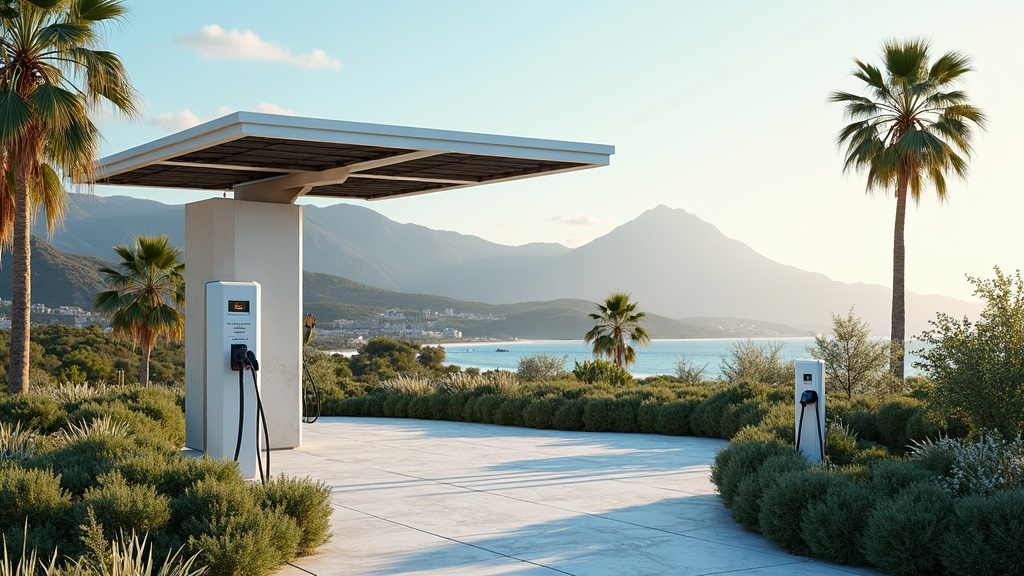
New-build homes in Costa del Sol increasingly feature climate-resilient designs, incorporating advanced insulation, energy-efficient systems, and sustainable materials. This ensures comfortable living conditions year-round, protecting against extreme temperatures and reducing utility costs, while embracing modern architectural styles and environmental responsibility.
For decades, the Costa del Sol has been a beacon for those dreaming of a sun-drenched life. From the vibrant energy of Marbella to the tranquil charm of Estepona, this stretch of Spain’s southern coast offers an unparalleled lifestyle. However, as global climate patterns shift, homeowners and developers alike are more conscious than ever of building for the future. In my extensive experience guiding international families through this exciting journey, one clear trend has emerged: a profound appreciation for new-build homes that are not just beautiful, but also intelligently designed to withstand and adapt to evolving environmental conditions. We've seen firsthand how cutting-edge construction techniques are transforming the region, offering peace of mind alongside luxury.
What Makes New-Build Homes in Costa del Sol Climate-Resilient?
When you consider investing in a property here, especially a new-build, you're not just buying bricks and mortar; you're buying into a lifestyle that promises comfort, efficiency, and sustainability. The focus on new-build homes Spain Costa del Sol climate resilience is no longer a luxury, but a standard expectation. Developers, driven by both regulatory demands and market preferences, are integrating innovative solutions to ensure these properties remain havens of comfort, regardless of the weather outside. Over the past few years, we at Del Sol Prime Homes have observed a significant shift in design, moving from mere aesthetic appeal to a profound emphasis on functional resilience.
Advanced Insulation and Thermal Efficiency: Keeping Cool and Warm
The days of merely thick walls are long gone. Modern Costa del Sol new builds employ advanced insulation techniques that are a cornerstone of their climate resilience. This isn't just about making the home comfortable; it's about significant energy savings too. You'll find:
- Walls with double-layer insulation, often incorporating materials like rock wool or extruded polystyrene (XPS), which provide superior thermal breaks.
- High-performance double-glazed or even triple-glazed windows with low-emissivity (low-E) coatings. These specialized windows reflect heat in summer and retain it in winter, drastically reducing the reliance on air conditioning and heating.
- Roof insulation is paramount. Modern designs often include ventilated roofs or 'green roofs' (covered with vegetation) which naturally cool the building by reducing heat absorption from direct sunlight.
In my experience, clients are often amazed at how comfortable a well-insulated property feels, even on the hottest August days. It’s an investment that pays dividends through lower utility bills and enhanced livability.
Optimal Orientation and Passive Design Strategies
One of the most foundational, yet often overlooked, aspects of climate-resilient design is passive architecture. This involves strategically planning the home's layout and features to work with, rather than against, nature:
- South-facing aspect: Many properties are designed to maximize natural light during winter, reducing heating needs, while utilizing shading elements to mitigate summer sun.
- Cross-ventilation: Thoughtful placement of windows and doors allows for natural airflow, effectively cooling interiors without mechanical systems in milder weather.
- Overhangs and pergolas: These architectural features are not merely decorative. They are meticulously designed to shade windows and outdoor spaces from high summer sun while allowing lower winter sun to penetrate and warm the interiors.
I recall working with a family relocating from the UK who were initially keen on large, exposed balconies. After explaining the benefits of strategically placed pergolas and deep terraces for year-round comfort, they fully embraced a design that offered both stunning views and essential shade – a perfect example of design meeting utility.
How Do New-Builds Address Water Conservation and Management?
Water is a precious resource, especially in a region renowned for its sunshine. Modern developments are at the forefront of sustainable water management, a critical component of new-build homes Spain Costa del Sol climate resilience.
Intelligent Irrigation Systems and Drought-Resistant Landscaping
The lush gardens of the Costa del Sol are iconic, but contemporary design ensures they are also sustainable. You'll find:
- Automated drip irrigation: These systems deliver water directly to plant roots, minimizing evaporation and wastage, often controlled by smart sensors that react to soil moisture levels and weather forecasts.
- Native and drought-tolerant planting: Developers are increasingly choosing Mediterranean flora, such as oleanders, bougainvillea, and olive trees, which require far less water once established.
- Xeriscaping: Embracing design principles that reduce or eliminate the need for irrigation, often incorporating gravel, rocks, and minimal plant cover.
This approach significantly reduces water consumption for gardens, aligning with regional efforts for conservation [CITATION_NEEDED: Junta de Andalucía water conservation policies].
Greywater Recycling and Rainwater Harvesting
Some premium new-build properties are taking water efficiency to the next level:
- Greywater systems: These re-purpose gently used water from sinks and showers for non-potable uses like toilet flushing or garden irrigation.
- Rainwater harvesting: Collecting rainwater from roofs and storing it for garden use is becoming more common, especially in larger developments, further reducing reliance on municipal supplies.
While not universally mandated, these features enhance a home's environmental footprint and offer long-term financial benefits. We guide our clients to developments where these forward-thinking systems are implemented, understanding that responsible living is a key driver for many.
Energy Efficiency and Renewable Technologies in Modern Builds
Beyond insulation and passive design, today's new-build homes Spain Costa del Sol climate resilience are synonymous with energy independence and lower running costs. Spain's commitment to renewable energy and Europe's robust building codes ensure that new properties are highly efficient.
Aerothermal and Geothermal Heating/Cooling Systems
These advanced systems are rapidly replacing traditional boilers and air conditioners:
- Aerothermal (Air-Source Heat Pumps): These extract heat from the ambient air to provide heating, cooling, and hot water. They are incredibly efficient, typically delivering 3-5 units of heat for every unit of electricity consumed.
- Geothermal (Ground-Source Heat Pumps): While less common due to upfront costs and space requirements, these tap into the stable temperature of the earth to regulate indoor climate, offering even higher efficiency.
I often highlight these systems to clients because they offer significant long-term savings on energy bills. A modern apartment I sold last year in Estepona, equipped with aerothermal for underfloor heating and cooling, reported utility bills that were nearly 60% lower than comparable properties built even 15 years ago.
Solar Panels and Smart Home Technology Integration
Harnessing the abundant Costa del Sol sunshine is a logical step towards energy independence:
- Photovoltaic (PV) solar panels: These convert sunlight directly into electricity, which can power the home or even be fed back into the grid, potentially earning the homeowner credits.
- Solar thermal panels: These are used to heat water for domestic use, significantly reducing electricity or gas consumption.
- Smart home systems: Integrated technology allows homeowners to remotely control lighting, shading, heating, and cooling, optimizing energy use based on occupancy and external conditions. This level of control contributes greatly to comfort and efficiency. It’s an aspect that truly excites many of our tech-savvy buyers.
The legal framework in Spain, particularly regarding solar panels, has become much more favorable in recent years, making these installations highly attractive for new developments [CITATION_NEEDED: Royal Decree 244/2019 on self-consumption in Spain].
Sustainable Building Materials and Practices
The choice of materials and the construction process itself play a crucial role in the overall climate resilience and environmental footprint of new-build homes Spain Costa del Sol climate resilience.
Locally Sourced and Recycled Materials
Developers are increasingly committed to minimizing the environmental impact of construction:
- Local sourcing: Reducing transportation emissions by using materials readily available within Andalucía, such as local stone, ceramics, and timber.
- Recycled content: Incorporating materials like recycled steel, concrete aggregates, and timber products made from reclaimed wood.
- Low-VOC materials: Using paints, adhesives, and sealants with low volatile organic compound emissions, contributing to healthier indoor air quality.
We often discuss with clients how these choices not only benefit the environment but also support the local economy and traditional crafts, adding a deeper layer of value to their investment.
Durable Construction for Longevity and Low Maintenance
A truly climate-resilient home is one that stands the test of time, reducing the need for costly and resource-intensive repairs:
- High-quality concrete and steel: Ensuring structural integrity against extreme weather events.
- Weather-resistant finishes: Using materials designed to withstand intense sunlight, humidity, and occasional heavy rainfall, minimizing degradation and maintenance.
- Modular construction: Some developments utilize pre-fabricated components, which can lead to higher quality control, less waste, and faster construction times, further reducing environmental impact.
This focus on durability means a new-build property offers a truly "move-in ready" experience, with minimal immediate concerns, unlike some older properties that can present unforeseen maintenance challenges [INTERNAL_LINK: common pitfalls when buying resale properties in Spain].
Health and Well-being: Beyond Climate Resilience
Climate resilience isn't just about protecting the building; it's also about creating a healthy living environment for its occupants. Modern new-builds prioritize this by incorporating features that enhance air quality, natural light, and overall comfort.
Improved Indoor Air Quality and Natural Light
A common concern with modern, highly sealed homes can be indoor air quality. However, new-builds address this proactively:
- Controlled ventilation systems: These introduce fresh outdoor air while expelling stale indoor air, often with heat recovery units that reduce energy loss.
- Non-toxic materials: As mentioned, the use of low-VOC paints and finishes minimizes chemical emissions inside the home.
- Maximized natural light: Large windows and open-plan layouts reduce the need for artificial lighting, which positively impacts mood and reduces energy consumption.
I’ve witnessed many clients express surprise at the palpable difference in air quality and luminosity in a new-build compared to older properties. It contributes significantly to that feeling of well-being so many are seeking on the Costa del Sol.
Acoustic Comfort and Biophilic Design
The overall living experience is paramount:
- Superior sound insulation: Reduces external noise, creating a tranquil indoor environment, a valuable feature in both urban and more serene settings.
- Biophilic design elements: Incorporating natural textures, indoor plants, and views of nature to connect occupants with the natural world, promoting mental and physical health. This could be anything from a private garden to a view of the Mediterranean or a green space within the community.
These elements, while perhaps less tangible than a solar panel, contribute significantly to the high standard of living that property buyers expect from a luxury new-build homes Spain Costa del Sol climate resilience community.
The Future of Living: Why Choose a Climate-Resilient New-Build?
The appeal of the Costa del Sol is timeless, but the way we build for it is constantly evolving. Choosing a climate-resilient new-build home here is not just a smart investment; it's a conscious decision to embrace a future where comfort, sustainability, and efficiency go hand-in-hand.
From my perspective, having guided hundreds of families through this process, the benefits are clear:
- Long-term cost savings: Lower utility bills thanks to superior insulation, energy-efficient systems, and renewable energy sources.
- Enhanced comfort: Stable indoor temperatures year-round, regardless of external heat or cold, with excellent air quality.
- Environmental responsibility: Contributing to a greener future through reduced carbon footprint and sustainable resource management.
- Higher resale value: As climate consciousness grows, properties with robust resilience features will undoubtedly command a premium.
- Peace of mind: Knowing your home is built to the highest modern standards, designed to last, and engineered for the local climate.
We've helped clients secure everything from sleek apartments in bustling Fuengirola to expansive villas in tranquil Mijas, all boasting these advanced features. The attention to detail in contemporary Spanish construction, combined with a forward-thinking approach to environmental challenges, ensures that your investment here is secure and your lifestyle truly carefree. If you're looking for a property that perfectly blends luxury living with responsible design, a climate-resilient new-build on the Costa del Sol is undoubtedly the answer [INTERNAL_LINK: why choose a new-build over a resale property in Costa del Sol].