Green building certifications like BREEAM and LEED are increasingly vital on the Costa del Sol, guiding sustainable development in 2024. These standards ensure properties are eco-friendly, energy-efficient, and healthier for residents, directly impacting property value and appeal, particularly for discerning international buyers seeking responsible luxury and long-term sustainability in their Spanish homes.
As an Accredited Property Specialist with many years of experience helping international families find their dream homes on the Costa del Sol, I've witnessed a significant shift in what buyers prioritize. It’s no longer just about the sea views or the golf course proximity; there's a growing conscience, a demand for properties that not only offer unparalleled luxury but also contribute positively to environmental sustainability. This evolution has brought green building standards like BREEAM and LEED to the forefront of new developments across Marbella, Estepona, and beyond.
When my wife and I first settled here years ago, alongside establishing Del Sol Prime Homes with our partners, the conversation around sustainability in real estate was nascent. Today, it’s a cornerstone of modern construction. Buyers, especially those from the UK, Ireland, Wales, and Northern Ireland, who are dreaming of a carefree life under the Costa del Sol sun, are increasingly asking about a property's ecological footprint and energy efficiency. They understand that a truly luxurious life involves harmony with nature, and a well-built, sustainable home offers both peace of mind and long-term value.
Over the years, guiding over 500 families through property transactions exceeding €120 million, I've seen firsthand how these considerations translate into tangible benefits for our clients. Green building certifications are not just buzzwords; they are robust frameworks that ensure quality, efficiency, and a healthier living environment. For anyone considering an investment or a new life here, understanding these standards is paramount.
What Are BREEAM and LEED, and Why Are They Important on the Costa del Sol?
BREEAM (Building Research Establishment Environmental Assessment Method) and LEED (Leadership in Energy and Environmental Design) are internationally recognized green building certification systems. They essentially provide a structured way to assess and certify the environmental performance of buildings. Think of them as a stamp of approval, assuring you that a property meets stringent criteria for sustainability throughout its design, construction, and operation.
In my experience helping international buyers over the years, the importance of these certifications on the Costa del Sol cannot be overstated. We're talking about a region blessed with incredible natural beauty – the Mediterranean Sea, the Sierra Blanca mountains – and there’s a collective responsibility to protect it. Developers here are increasingly responding to market demand and regulatory pushes by integrating these standards into their projects. This means new homes are being built with lower energy consumption, reduced water usage, and healthier indoor environments, all of which directly benefit you as the homeowner.
The Origins and Principles of Green Building Standards
BREEAM, originating in the UK in 1990, was the world's first environmental assessment method for buildings. Its holistic approach considers a wide range of factors, from energy and water usage to health and well-being, pollution, transport, materials, waste, ecology, and management processes. It's a comprehensive system designed to improve building performance across various categories and applies to everything from residential dwellings to entire communities.
LEED, developed by the U.S. Green Building Council (USGBC) in 1998, quickly gained global traction. Like BREEAM, LEED also covers a broad spectrum of environmental parameters, focusing on energy efficiency, water conservation, sustainable site development, materials selection, and indoor environmental quality. Both standards have evolved over decades, incorporating the latest research and best practices in sustainable construction.
When you encounter a property on the Costa del Sol advertised as having BREEAM certification Spain [CITATION_NEEDED: BREEAM official website] or LEED certification Spain [CITATION_NEEDED: USGBC official website], it signifies a commitment to high environmental performance. For our clients, this translates into tangible benefits: lower utility bills due to better insulation and efficient systems, enhanced comfort, and the knowledge that their home contributes to a more sustainable future. It's a key selling point in a competitive market like Marbella.
Why Green Certifications Matter for Costa del Sol Homeowners
From a practical standpoint, a home with a green building certification will almost always be more an attractive investment. You'll find lower running costs, which is a significant factor when considering your overall expenses in Spain cost of living in Costa del Sol. These homes are designed to be energy efficient, often incorporating technologies like solar panels, advanced insulation, and smart home systems that reduce energy consumption for heating, cooling, and lighting. This can lead to substantial savings on electricity bills, especially in the warm Spanish climate where air conditioning is essential for several months a year.
Furthermore, certified green buildings are often built with higher quality materials and construction standards, contributing to better long-term durability and less maintenance. This is crucial for many of our clients who are seeking a second home or a holiday rental property in Spain investment properties Costa del Sol, where managing maintenance from afar can be a concern. A well-built, certified home offers peace of mind. Moreover, the enhanced indoor air quality, natural light, and thermal comfort often associated with these buildings lead to a healthier and more comfortable living environment, which is, after all, what living the carefree life in Costa del Sol is all about.
BREEAM vs. LEED: A High-Level Comparison for Costa del Sol Properties
While both BREEAM and LEED aim for similar goals – promoting sustainable construction – they have distinct methodologies and regional strengths. Understanding these differences can help you appreciate what each certification signifies when evaluating properties on the Costa del Sol.
In my discussions with developers and architects here, I've observed that both standards are highly respected, but local context can sometimes influence the choice. Spain, being part of Europe, has a strong familiarity with BREEAM, which has a significant presence across the continent. However, LEED’s global recognition also makes it a popular choice for larger, international development groups. Ultimately, both certifications provide robust proof of sustainability claims.
Categorization and Scoring Systems
- BREEAM: Uses a credit-based system across ten categories: Management, Health and Wellbeing, Energy, Transport, Water, Materials, Waste, Land Use and Ecology, Pollution, and Innovation. Projects earn credits for meeting specific criteria within each category, leading to ratings from "Pass" to "Outstanding." The scoring is weighted, reflecting the relative importance of each category.
- LEED: Also uses a points-based system across several categories: Integrative Process, Location and Transportation, Sustainable Sites, Water Efficiency, Energy and Atmosphere, Materials and Resources, Indoor Environmental Quality, Innovation, and Regional Priority. A project achieves one of four certifications: Certified, Silver, Gold, or Platinum, depending on the total points accumulated.
The beauty of these structured approaches is that they provide transparency. When a developer tells you their project is "BREEAM Excellent," you know exactly what level of environmental performance to expect, based on clearly defined, verifiable criteria, rather than vague marketing claims. This level of detail is something my clients truly appreciate when making such a significant investment.
Geographical Presence and Market Perception in Spain
Historically, BREEAM has had a stronger foothold in Europe, including Spain, due to its UK origins and tailored international schemes. Many Spanish developers are well-versed in the BREEAM framework. It's often perceived as highly adaptable to European building practices and regulatory environments, ensuring compliance with local standards [CITATION_NEEDED: Spanish building regulations].
LEED, while originating from the U.S., has achieved immense global recognition and is often preferred by large multinational corporations and luxury brands seeking global consistency in their sustainable developments. We see LEED certifications in high-profile commercial and residential projects across the Costa del Sol, especially those targeting a cosmopolitan clientele. Developers often choose LEED to signal a global standard of excellence and sustainability.
From a buyer’s perspective, both certifications hold significant weight. For an affluent lifestyle seeker from the UK, for example, a BREEAM-certified property might resonate due to its European roots. For a buyer from any international market, a LEED Platinum rating speaks to a universally understood benchmark of sustainability and luxury. Ultimately, both attest to a developer's commitment to building environmentally responsible homes, which is a key factor for those envisioning a future here why choose Costa del Sol for your second home.
Key Areas of Impact: What These Certifications Mean for Your Home
It's one thing to understand the theoretical differences, but what does a BREEAM or LEED certification actually mean for you as a property owner on the Costa del Sol? The impact is tangible, affecting everything from your daily comfort to your long-term financial outlay and even the resale value of your property.
Energy Efficiency and Reduced Running Costs
This is often the most immediate and appreciated benefit for homeowners. Properties certified under BREEAM or LEED typically include features designed to dramatically cut energy consumption. This can involve:
- Superior Insulation: Walls, roofs, and windows are designed with advanced insulation materials to minimize heat loss in winter and heat gain in summer. This is particularly effective in maintaining comfortable indoor temperatures without over-relying on heating or air conditioning.
- High-Performance Glazing: Double or even triple-glazed windows with low-emissivity coatings are common, significantly improving thermal performance and reducing UV radiation.
- Renewable Energy Systems: Many new developments integrate solar panels for hot water (as mandated by Spanish law in many cases) or even photovoltaic panels for electricity generation, further offsetting energy costs.
- Efficient HVAC Systems: Heating, ventilation, and air conditioning (HVAC) systems are typically state-of-the-art, using less energy to achieve optimal indoor climate control.
- LED Lighting: Energy-efficient LED lighting throughout the property is standard, reducing electricity consumption significantly compared to traditional incandescent or halogen bulbs.
My clients often report substantial savings on their electricity bills year after year, which can add up significantly, especially for larger villas or apartments with extensive amenities. These savings are a compelling argument for investing in a certified green home, making the carefree life under the sun even more affordable property purchasing costs Spain.
Water Conservation and Smart Management
With Spain's occasional water challenges [CITATION_NEEDED: Junta de Andalucía drought measures], water conservation is a critical aspect of sustainable building. BREEAM and LEED certified properties incorporate numerous strategies to reduce water consumption:
- Low-Flow Fixtures: Toilets, showerheads, and faucets are designed to use less water without compromising performance.
- Greywater Recycling Systems: Some high-end developments feature systems that treat and reuse water from sinks and showers for irrigation or toilet flushing.
- Rainwater Harvesting: Rainwater collection systems can be used for irrigation, reducing the demand on municipal water supplies.
- Drought-Resistant Landscaping: Gardens are often designed with native, drought-tolerant plants (xeriscaping) that require minimal irrigation. Automatic irrigation systems are typically smart, using sensors to water only when necessary.
These measures not only reduce your water bills but also align with a responsible approach to living in a region where water is a precious resource. It’s about more than just saving money; it’s about contributing positively to the local environment and community.
Health, Well-being, and Indoor Environmental Quality
Beyond energy and water, BREEAM and LEED place a strong emphasis on creating healthier indoor spaces. This directly impacts the comfort and well-being of residents, something I know is a top priority for families moving to the Costa del Sol. Key aspects include:
- Enhanced Ventilation: Systems that introduce fresh outdoor air while expelling stale indoor air, reducing concentrations of pollutants and allergens.
- Use of Non-Toxic Materials: Certified buildings often prioritize materials with low VOC (Volatile Organic Compound) emissions for paints, flooring, and finishes, improving indoor air quality and reducing potential health risks.
- Abundant Natural Light: Design strategies maximize natural daylighting, reducing the need for artificial lighting and contributing to a more positive mood and reduced eye strain.
- Thermal Comfort: Excellent insulation and efficient HVAC systems ensure stable and comfortable indoor temperatures year-round, eliminating drafts and excessive humidity.
- Acoustic Performance: Sound insulation is often superior, creating a quieter and more peaceful indoor environment, which is highly valued, especially in areas with vibrant community life.
When you walk into a certified green home, you often feel an immediate difference – the air feels fresher, the temperature more consistent, and the overall atmosphere more serene. This directly contributes to the quality of life you seek when embracing the Mediterranean lifestyle.
The Growing Presence of Green Buildings in Costa del Sol's New Developments (2024)
The Costa del Sol, always at the forefront of luxury real estate, is rapidly embracing green building standards. In 2024, it's becoming increasingly common to see new developments across Marbella, Estepona, Benalmádena, and Mijas proudly displaying their BREEAM or LEED certifications. This trend is driven by a combination of factors: discerning buyer demand, progressive developer vision, and a growing emphasis on sustainable tourism and living.
As we've seen a surge in interest from global buyers over the past few years, particularly from nations with strong environmental consciousness, developers here are responding. They understand that to attract the most sophisticated investors and homeowners, they must offer properties that align with contemporary values of sustainability and ethical living. It's a testament to the forward-thinking nature of the Costa del Sol real estate market.
Market Trends and Developer Commitment
- Increased Investment: Developers are investing significantly in sustainable design and construction, recognizing it as a key differentiator. This includes employing specialist consultants for BREEAM and LEED implementation from the early design stages.
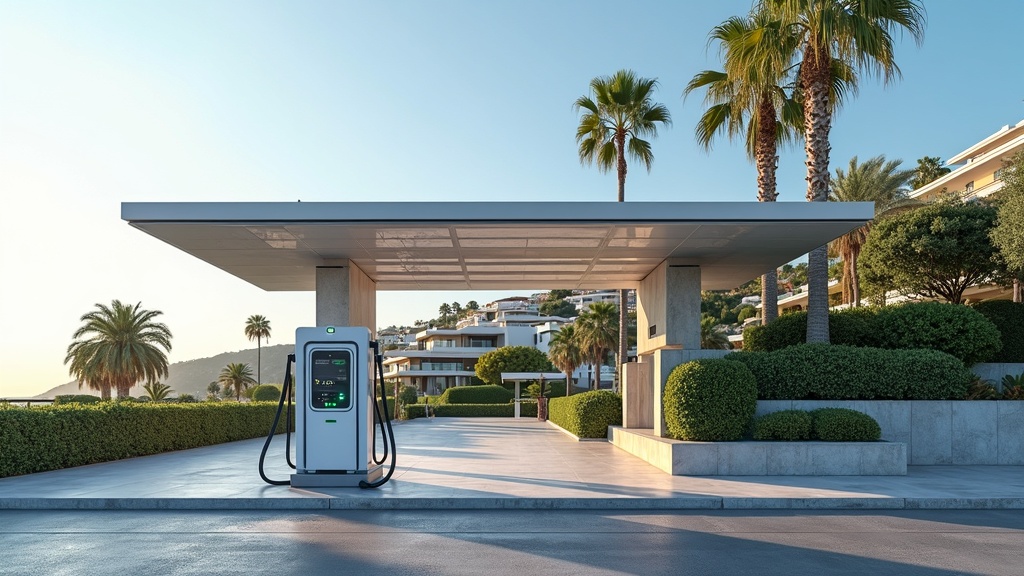
- Luxury Green Resorts: Many high-end residential resorts and communities are now being designed with these certifications as a core objective, offering not just a home but a comprehensive sustainable lifestyle. These often include shared amenities like electric vehicle charging points, organic community gardens, and advanced waste management systems.
- Governmental Support: While not always explicit mandates, local Spanish authorities and the Junta de Andalucía often incentivize or look favorably upon developments that embrace high sustainability standards, which can streamline planning and permitting processes.
I’ve personally consulted with numerous developers who are making these certifications a priority, not just for market appeal, but because they genuinely believe in responsible development. This has led to some truly innovative and beautiful projects that set a new benchmark for luxury living combined with ecological integrity.
Specific Examples in Marbella, Estepona, and Beyond
While I can't name specific developments by name here, I can tell you that in Marbella, for instance, you'll find numerous projects, particularly in areas like Sierra Blanca, The Golden Mile, and Nueva Andalucía, where BREEAM Excellent or LEED Gold certifications are being achieved. These are often multi-million-euro villas and exclusive apartment complexes that redefine luxury living. These properties are designed to integrate seamlessly with the natural landscape, using local materials and innovative systems. buying property in Marbella
Estepona, too, has seen a boom in green construction. Known for its 'Garden of the Costa del Sol' initiative, the municipality is a natural fit for sustainable housing. Many new developments along the New Golden Mile between Estepona and Marbella are incorporating these certifications, offering a slightly more accessible price point compared to prime Marbella, but with the same commitment to environmental excellence. Estepona real estate market trends
Even in areas like Benalmádena and Mijas, we're seeing an uptake. Developers are recognizing that buyers across the entire Costa del Sol value these attributes. They are responding by delivering properties that are not just beautiful but also built to the highest environmental standards. This includes properties designed for reduced utility consumption, often boasting A or B energy performance certificates, which are a legal requirement when a property is listed for sale or rent in Spain [CITATION_NEEDED: Royal Decree 390/2021 energy performance certificates].
For you, the discerning buyer, this means a wider choice of properties that offer long-term value, comfort, and peace of mind. It’s an exciting time to invest in the Costa del Sol, where luxury and sustainability are converging to create an unparalleled living experience.
Choosing a Green Home: Practical Advice for Buyers
Identifying and securing a green home on the Costa del Sol requires a discerning eye and a knowledgeable partner. As your trusted advisor, I want to ensure you navigate this exciting market with confidence. It's about matching your lifestyle aspirations with properties that not only meet but exceed contemporary standards of sustainability and luxury.
Verifying Certifications and Understanding the Details
- Request Documentation: Always ask for the official BREEAM or LEED certification documentation. Developers should be able to provide this readily. Don't rely solely on marketing claims; actual certificates detail the specific rating achieved (e.g., BREEAM Excellent, LEED Gold) and the categories assessed.
- Understand the Level: Both systems have different achievement levels. A 'Certified' LEED project is good, but 'Platinum' is exceptional. Similarly, 'Pass' for BREEAM is a starting point, while 'Outstanding' represents top-tier performance. Understand what level the property has achieved.
- Ask About Specific Features: Don't hesitate to inquire about the specific green features. Which insulation materials were used? What type of glazing? What are the energy recovery ventilation systems? How is water managed or recycled? A knowledgeable sales agent should be able to provide these details.
- Energy Performance Certificate (EPC): Every property for sale in Spain must have an Energy Performance Certificate (Certificado de Eficiencia Energética – CEE). This certificate, ranging from A (most efficient) to G (least efficient), provides a clear indication of the property's energy consumption and CO2 emissions. Green certified homes should consistently have A or B ratings [CITATION_NEEDED: Ministry for Ecological Transition and Demographic Challenge].
Remember, transparency is key. My team and I at Del Sol Prime Homes ensure that all details regarding sustainability features and certifications are clear and verifiable, allowing you to make an informed decision without any ambiguity.
Long-Term Benefits Beyond Environmental Impact
While the environmental benefits are compelling, the practical advantages of owning a BREEAM or LEED certified home on the Costa del Sol extend far beyond just being "green."
- Higher Resale Value: In my experience, properties with verifiable green certifications command a premium and often appreciate faster than non-certified comparable homes. As environmental awareness grows, so does the demand for sustainable properties, making your investment more robust.
- Enhanced Marketability: Should you choose to rent out your property, particularly for the lucrative holiday rental market, its green credentials can be a significant draw for environmentally conscious tourists, allowing for potentially higher rental yields property management services Costa del Sol.
- Future-Proofing: Building regulations are continuously evolving towards stricter environmental standards. Owning a home that already exceeds current requirements essentially future-proofs your investment against potential retrofitting costs or reduced appeal down the line.
- Insurance Benefits: Some insurance companies are beginning to offer preferential rates for certified green buildings due to their higher quality construction and reduced risk profile. This is a developing trend worth discussing with your broker.
When I discuss these benefits with clients from the UK and Ireland, they quickly grasp the full scope of advantages. It’s not just about doing good; it’s about making a smart, financially sound decision that aligns with a modern, responsible lifestyle. A green home on the Costa del Sol offers not just a place to live, but a statement of values and a secure investment for generations to come.
Embracing these green standards truly reflects the evolution of luxury living here. It’s about building a better future, one exquisite home at a time, under the glorious Costa del Sol sun.