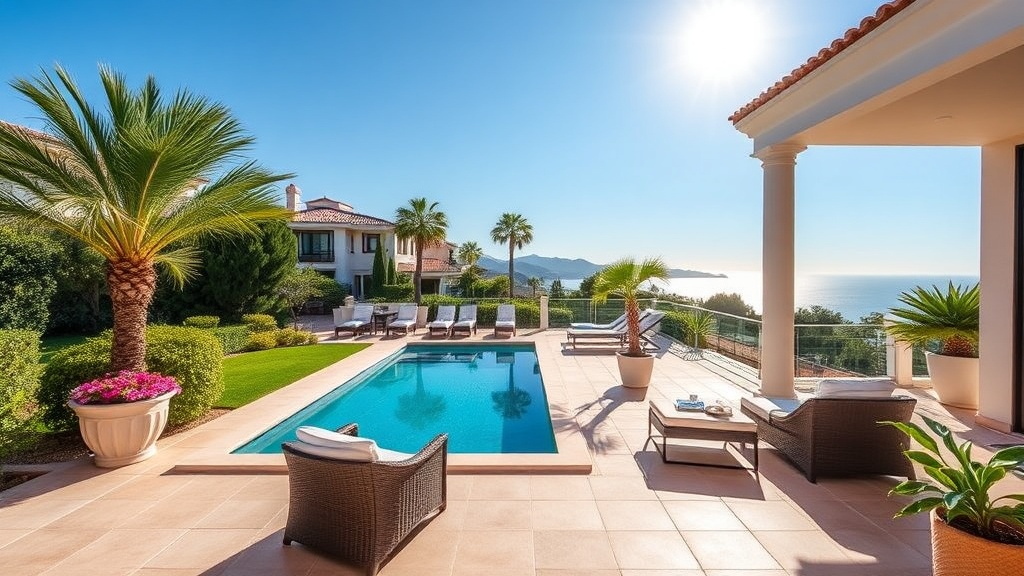
When comparing Marbella and Mijas for the best Costa del Sol climate, both offer over 320 sunny days a year, but Marbella benefits from the Sierra Blanca mountains, providing a microclimate with slightly warmer winters and cooler summers. Mijas Pueblo, being elevated, can feel a little cooler with more breezes, while Mijas Costa enjoys a similar coastal climate to Marbella. Your preference depends on whether you seek the sheltered warmth of Marbella or the refreshing elevation of Mijas.
Ah, the eternal question for those dreaming of a life under the Spanish sun! As an Accredited Property Specialist with many years of experience helping international families find their perfect spot on the Costa del Sol, I’ve heard this query countless times: "Hans, where's the best climate, Marbella or Mijas?" It's a fantastic question, and one that gets to the heart of what makes this region so special. Together with Del Sol Prime Homes and our partners, we bring over 35 years of combined expertise to these very discussions, blending deep local market knowledge with a global perspective.
You, like many affluent European couples aged 45–70, are likely seeking that ideal balance of sunshine, comfort, and tranquility for your second home or retirement property. You've narrowed your focus to this beautiful stretch of coastline, perhaps eyeing new-build or off-plan properties in the €500K–€1.5M range. And you’re right to consider the climate; after all, it’s a major part of the allure!
Let's dive in and explore the nuances of the weather patterns in these two beloved Costa del Sol jewels, helping you make an informed decision with the confidence that comes from lived experience.
What Makes the Costa del Sol Climate So Desirable?
Before we pinpoint the differences between Marbella and Mijas, it’s crucial to understand the overarching climate that blesses this entire region. The Costa del Sol is renowned for its Mediterranean climate, characterized by hot, dry summers and mild, wet winters. This isn't just a marketing slogan; it's a geographical reality that draws thousands of people here every year.
The "Sol" in Costa del Sol: Sunshine Statistics
In my experience helping international buyers over the years, the promise of abundant sunshine is often the primary motivator. The Costa del Sol, including both Marbella and Mijas, boasts an average of over 320 sunny days per year [CITATION_NEEDED: AEMET historical climate data]. This means fewer grey skies and more opportunities to enjoy the outdoor lifestyle that defines southern Spain. Imagine enjoying breakfast on your terrace in January or a sunset stroll on the beach in December – it's a reality here.
The Mediterranean Influence: Mild Winters and Warm Summers
The proximity to the Mediterranean Sea plays a significant role in moderating temperatures. The sea acts as a natural thermostat, keeping coastal areas warmer in winter and providing a cooling breeze in summer. This maritime influence is particularly pronounced along the coastline, making extreme temperatures rare. You'll find that even in the height of summer, the humidity is generally lower than in other Mediterranean regions, making the heat more manageable.
Marbella's Unique Microclimate: The Sierra Blanca Effect
Marbella is often lauded for its exceptional microclimate, and for good reason. This isn't just anecdotal; it's a scientifically recognized phenomenon largely due to its geographical positioning.
How Do the Sierra Blanca Mountains Protect Marbella?
The majestic Sierra Blanca mountain range, which includes La Concha peak, acts as a natural barrier to the north of Marbella. This is a game-changer for the local climate. These mountains shield the city from cold northerly winds in winter and help to trap warm air, resulting in noticeably milder winter temperatures compared to other areas just a few kilometers away. Conversely, in summer, they can also contribute to a slight reduction in extreme heat by influencing local air currents. Many of my clients, especially those planning to spend significant time here during the cooler months, find this aspect of Marbella’s climate incredibly appealing.
Temperature and Precipitation in Marbella
- Winter (December-February): Average daytime temperatures typically hover around 16-18°C (61-64°F), with plenty of sunshine. Nights are cool but rarely drop below 5°C (41°F). Rainfall is concentrated in these months but usually comes in short, intense bursts rather than prolonged periods.
- Spring (March-May): Delightful, with temperatures steadily climbing from 18°C to 25°C (64-77°F). Ideal for outdoor activities.
- Summer (June-August): Hot and dry, with average temperatures around 28-32°C (82-90°F). The sea breeze often provides welcome relief, and evenings are warm and pleasant.
- Autumn (September-November): Often considered one of the best times to visit, with warm, sunny days in the low to mid-20s°C (70s°F) extending well into October.
This consistent warmth and protection from harsh weather contribute significantly to Marbella's reputation as a year-round destination. When you're considering a property here, whether it’s a luxury villa in Sierra Blanca or a modern apartment in Nueva Andalucía, you’re also investing in this remarkable climate [INTERNAL_LINK: luxury properties Marbella].
Mijas: Coastal Breezes vs. Mountain Air
Mijas, a municipality that stretches from the mountains down to the sea, offers a more varied climatic experience depending on whether you're in Mijas Pueblo (the charming white village perched in the hills) or Mijas Costa (the coastal strip including areas like La Cala de Mijas and Riviera del Sol).
Mijas Pueblo: A Breath of Fresh Air
Perched at an elevation of around 430 meters (1,400 feet) above sea level, Mijas Pueblo offers a distinctly different feel from the coast. You'll find the air here to be generally fresher and crisper, and temperatures can be a few degrees cooler than at sea level, especially during the evenings. This elevation often means more refreshing breezes, which can be a blessing in the summer months.
- Winter: While still mild, Mijas Pueblo can experience slightly lower temperatures than Marbella, and nights can be colder. Frost is rare but not unheard of at higher elevations. The views, however, are spectacular, and clear winter days are truly invigorating.
- Summer: The elevation often provides a welcome respite from the intense heat of the coast. While daytime temperatures are warm, the evenings are usually cooler and more comfortable for sleeping without air conditioning.
For those who prefer a slightly cooler climate, or perhaps suffer from hay fever, the elevated position of Mijas Pueblo can be a real advantage. We’ve guided many families through the process of finding their dream home in this picturesque village, where the climate adds to its unique charm [INTERNAL_LINK: Mijas Pueblo property guide].
Mijas Costa: Embracing the Coastal Charm
Down on the Mijas Costa, the climate is very similar to that of Marbella and other coastal towns like Fuengirola and Estepona. You’ll enjoy the full benefits of the Mediterranean Sea’s influence.
- Winter: Mild, with plenty of sunshine and average temperatures similar to Marbella.
- Summer: Hot and sunny, with cooling sea breezes keeping temperatures manageable.
- General: Expect over 300 days of sunshine and very little rainfall outside of the winter months.
If you're looking for beachfront living or easy access to golf courses right by the sea, Mijas Costa offers a fantastic climate to complement its vibrant lifestyle. From modern apartments in La Cala de Mijas to luxury villas in Calahonda, the coastal climate is a major draw [INTERNAL_LINK: new build properties Mijas Costa].
Comparing the Climates: Marbella vs. Mijas Side-by-Side
Let’s distill the key differences to help you decide which climate aligns best with your preferences. This comparison is based on general trends and my many years of observing the local weather patterns.
Temperature and Humidity
- Winter Warmth: Marbella generally offers a slight edge in winter warmth due to its protected microclimate. You might find average daytime temperatures 1-2°C higher than in Mijas Pueblo, and nights are less chilly. Mijas Costa will be very similar to Marbella.
- Summer Heat: Marbella can feel slightly warmer and more humid during peak summer days, though the sea breeze is usually present. Mijas Pueblo, with its elevation, often feels cooler and less humid in the evenings, offering a more refreshing escape from the summer heat. Mijas Costa experiences similar summer temperatures to Marbella.
- Humidity: Coastal areas in both Marbella and Mijas will have higher humidity than inland areas, but generally, the Costa del Sol experiences comfortable humidity levels.
For those coming from northern Europe, even the "cooler" Mijas Pueblo winter will feel wonderfully mild, allowing for year-round enjoyment of outdoor activities.
Sunshine and Rainfall Patterns
- Sunshine Hours: Both Marbella and Mijas boast an impressive 300-320+ days of sunshine annually. There’s no significant difference here; you're guaranteed plenty of sun wherever you choose.
- Rainfall: Most rainfall occurs between October and March. Marbella's mountain barrier can sometimes mean slightly less rainfall, as clouds are held back. However, Mijas, particularly Mijas Pueblo, can experience slightly more rainfall due to its elevation, though it's still far less than in northern Europe. When it rains here, it tends to be intense but short-lived, quickly giving way to sunshine again.
We often tell our clients that the occasional rain is what keeps this region so green and beautiful, especially in the spring with its vibrant flora.
Wind and Breezes
This is where Mijas Pueblo can stand out. Its elevated position means it often catches more refreshing breezes, which can be a huge benefit during the warmer months. Marbella, while also enjoying sea breezes, can feel more sheltered. If you appreciate a constant, gentle breeze, Mijas Pueblo might be more to your liking.
Beyond the Thermometer: Lifestyle and Climate
When considering your ideal climate, it's not just about numbers on a thermometer. It's about how the climate enhances your lifestyle, especially for those seeking a second home or retirement property.
Outdoor Activities and Climate Compatibility
Whether you're an avid golfer, a keen hiker, or simply enjoy long walks on the beach, the climate of both Marbella and Mijas is incredibly conducive to an active outdoor lifestyle. The mild winters mean golf courses are playable year-round, and the long, warm summers are perfect for water sports and beach days. In my experience, clients often choose their location based on how they envision spending their days.
- Marbella: Ideal for year-round golf, beach clubs, watersports, and enjoying its vibrant social scene under consistently pleasant skies.
- Mijas Pueblo: Perfect for hiking, exploring picturesque streets, and enjoying cooler evenings on a terrace with stunning views.
- Mijas Costa: Combines beach life, golf, and all coastal activities with a climate very similar to Marbella's.
Health and Well-being Benefits
The Costa del Sol's climate is often cited for its positive impact on health. The abundance of sunshine provides natural Vitamin D, which is essential for bone health and mood regulation. The fresh sea air, especially along the coast, is often recommended for respiratory conditions. For many of my clients, moving here has meant a noticeable improvement in their overall well-being, reducing aches and pains often exacerbated by colder, damper climates. This isn’t just about luxury; it’s about a better quality of life.
Making Your Informed Choice: Hans's Personal Recommendation
So, Marbella or Mijas for the best climate? The truth, as with many things in real estate, is that it depends on your personal preferences. Both offer a truly enviable Mediterranean climate that will undoubtedly enhance your life.
When to Choose Marbella's Climate
If your priority is the absolute mildest winters, a slightly more consistently warm environment, and the renowned microclimate that protects you from cold winds, then Marbella is likely your best bet. It's perfect for those who want to maximize their time outdoors even in December and January, perhaps enjoying a round of golf or a leisurely lunch on a sunny terrace. The sheltered feel of Marbella appeals to many who prioritize warmth above all else.
When to Choose Mijas's Climate
If you appreciate refreshing breezes, a slightly cooler feel in the evenings during summer, and don't mind a fractionally cooler winter (especially in Mijas Pueblo), then Mijas offers a wonderful alternative. Mijas Pueblo provides a charming mountain retreat climate, while Mijas Costa aligns very closely with Marbella's coastal warmth. If you enjoy hiking in the hills and prefer a slightly less intense summer heat, Mijas Pueblo could be perfect.
Ultimately, both locations offer over 320 days of sunshine a year, making the Costa del Sol an unparalleled destination for those seeking comfort and warmth. My advice, having guided over 500 international families, is to consider what feels right for you. We at Del Sol Prime Homes are here to help you explore properties in both areas, from new-build apartments in Estepona to stunning villas in Benalmádena, ensuring you find a home that perfectly matches your lifestyle and climate preferences [INTERNAL_LINK: property buying process Spain].
Don't just take my word for it; come and experience it for yourself. Feel the warmth, breathe the air, and let your senses guide you. We're here to make that journey stress-free and enjoyable, combining European honesty with Mediterranean warmth every step of the way.