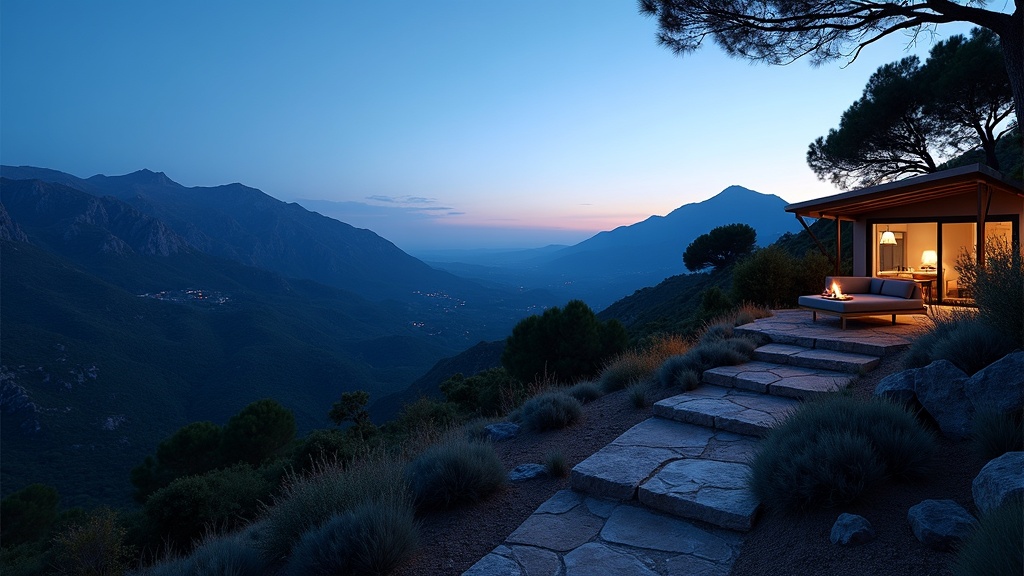
New-build homes on the Costa del Sol are engineered with advanced thermal insulation, efficient HVAC systems, and sustainable materials to combat the region's intense summer heat and milder winters. These designs incorporate passive solar principles, high-performance windows, and smart home technology to maintain comfortable indoor temperatures while significantly reducing energy consumption, addressing both environmental impact and occupant well-being effectively.
After many years of helping international families find their dream homes along the beautiful Costa del Sol, one of the most frequent questions I encounter revolves around how modern properties stand up to our glorious, yet sometimes challenging, weather. You see, while we all dream of endless sunshine, that sunshine brings with it significant heat, and even our mild winters require smart solutions. This isn't just about aesthetics; it's about comfort, sustainability, and ultimately, your peace of mind.
When you invest in a new-build on the Costa del Sol, you're not just buying a house; you're acquiring a meticulously engineered living space designed to thrive in its environment. Together with Del Sol Prime Homes and our partners, we've seen immense advancements in construction techniques and materials over the past 35+ years. The days of solely relying on thick stone walls are long gone; today, it's about smart technology and foundational principles that ensure your home remains a sanctuary, whether it's the height of August or a cooler January evening.
How Do New-Build Homes on the Costa del Sol Combat the Intense Summer Heat?
The Costa del Sol is synonymous with sunshine, and while that’s a major draw for many, it also means considerable summer heat, often reaching into the high 30s. Modern new-build homes here are not merely built but rather engineered to provide a cool, comfortable retreat from this warmth. In my experience helping hundreds of families transition to life here, understanding these underlying principles instills immense confidence in their investment.
Passive Cooling Strategies: Building with Nature, Not Against It
One of the most effective ways developers address heat is by incorporating passive cooling strategies from the very initial design phase. This means working with the climate, not just layering technology on top of it. You’ll find that today’s architects are masters of harnessing natural elements.
- Strategic Orientation: Homes are often positioned to minimize direct sun exposure during the hottest parts of the day, particularly on east and west facades. Large windows, while beautiful, are thoughtfully placed on north-facing elevations or protected by overhangs and pergolas on south-facing ones.
- Cross-Ventilation Design: Architects design layouts that encourage natural airflow. This often involves opposing windows and open-plan living areas that allow breezes to sweep through the home, expelling hot air and drawing in cooler air.
- Shading Elements: External shading is paramount. This includes deep overhangs (voladizos), retractable awnings, pergolas, and even strategically planted trees or vertical gardens. These elements prevent solar radiation from hitting windows and walls directly, significantly reducing indoor temperatures.
Advanced Insulation and Building Envelope: Your Home’s Protective Skin
Just as important as passive design is the quality of the building envelope itself – the walls, roof, windows, and floors. This is where modern engineering truly shines, creating a thermal barrier between your living space and the external elements.
- High-Performance Walls and Roofs: New-builds typically feature multi-layered wall systems with superior insulation materials like extruded polystyrene (XPS), rock wool, or polyurethane foam. Roofs are also heavily insulated, often with ventilated cavities that allow heat to escape, preventing it from radiating downwards into the home. [CITATION_NEEDED: Código Técnico de la Edificación (CTE) requirements for thermal insulation]
- Thermal Breaks: Crucial in our climate, thermal breaks are integrated into the construction to prevent heat transfer through building components like concrete slabs or window frames. This eliminates thermal bridging, a common source of heat gain (and loss in winter).
- High-Performance Glazing: Gone are the days of single-pane windows. Modern Costa del Sol properties utilize double or even triple glazing with low-emissivity (low-E) coatings and argon gas fills. These sophisticated windows block a significant portion of solar heat gain while still allowing natural light to flood your interiors. They also provide excellent sound insulation, a welcome bonus.
Efficient HVAC Systems and Smart Home Integration: The Modern Comfort Arsenal
Even with excellent passive design and insulation, air conditioning remains a necessity during the peak summer months. However, the systems installed in new-builds are a far cry from older, power-hungry units.
- Ducted Air Conditioning Systems: Centralized ducted AC systems are standard, offering uniform cooling throughout the home. These systems are highly energy-efficient, often with inverter technology that adjusts compressor speed to match demand, saving significant electricity compared to older, on/off units.
- Aerothermal and Geothermal Energy: Increasingly, developers are incorporating renewable energy sources for heating and cooling. Aerothermal systems, which extract heat from the air to heat water for radiant floor heating or cool homes via fan coils, are becoming very common due to their efficiency. Some high-end developments even explore geothermal solutions. [INTERNAL_LINK: sustainable building practices Costa del Sol]
- Smart Home Automation: Many new properties come equipped with smart home systems that allow you to control air conditioning, blinds, and lighting remotely or program them based on schedules or outdoor temperatures. Imagine arriving home to a perfectly cooled house after a day at the beach – pure bliss!
What Engineering Principles Ensure Warmth and Efficiency During Colder Months?
While the Costa del Sol is known for its mild winters, temperatures can drop, especially in the evenings, and the occasional cloud or rain means you’ll appreciate a warm, cozy home. New-build engineering addresses this with the same rigor it tackles summer heat, focusing on insulation and efficient heating solutions.
Thermal Mass and Solar Gain: Leveraging Natural Heat
Just as passive design helps keep homes cool, it also plays a role in retaining warmth during winter.
- Thermal Mass: Materials like concrete, stone, and even water (in some innovative designs) possess thermal mass, meaning they can absorb and store heat during the day and slowly release it at night. This can help moderate indoor temperatures, reducing the need for constant heating.
- Controlled Solar Gain: While excessive solar gain is undesirable in summer, controlled solar gain through south-facing windows during winter can provide passive heating, reducing heating costs. Overhangs, designed to block high summer sun, often allow lower winter sun to penetrate and warm interiors.
Superior Insulation and Airtightness: Preventing Heat Loss
The same advanced insulation that keeps heat out in summer also keeps warmth in during winter. This dual functionality is a hallmark of modern sustainable construction.
- Continuous Insulation Envelope: Modern constructions aim for a continuous insulation envelope, minimizing gaps and cold spots. This includes insulating floors, walls, and roofs to a high standard, as mandated by the Spanish Technical Building Code (CTE). [CITATION_NEEDED: Código Técnico de la Edificación (DB HE)]
- Airtight Construction: Preventing uncontrolled air leakage (drafts) is crucial for both energy efficiency and comfort. New-builds employ meticulous sealing of joints, windows, and doors to achieve a high level of airtightness, ensuring that heated air doesn't escape.
Efficient Heating Systems: Modern Comfort at Your Fingertips
For those cooler periods, new-builds are equipped with highly efficient heating systems, moving away from older, less economical options.
- Underfloor Heating (Suelo Radiante): Increasingly popular, especially in higher-end properties, underfloor heating provides a gentle, even warmth throughout the home. It’s highly efficient when coupled with aerothermal systems and offers superior comfort compared to conventional radiators. [INTERNAL_LINK: luxury amenities Costa del Sol]
- Aerothermal Heat Pumps: As mentioned before, aerothermal systems are incredibly versatile, providing both heating and cooling. For heating, they extract ambient heat from the air (even on cold days) and transfer it into your home, consuming significantly less electricity than traditional electric heaters.
- High-Efficiency Boilers: For properties without aerothermal, modern gas or electric boilers are designed for maximum efficiency, minimizing energy waste.
How Do New Coastal Properties Address Moisture, Humidity, and Structural Integrity?
Living by the sea brings delightful breezes and stunning views, but it also means dealing with higher humidity, salt-laden air, and sometimes heavy rainfall. Ensuring long-term structural integrity and a healthy indoor environment requires specific engineering considerations, especially when you are just meters from the Mediterranean.
Moisture Management: Keeping Dampness at Bay
Preventing moisture ingress and managing humidity are critical for preserving structural integrity and maintaining healthy indoor air quality. I often explain to my clients that preventing damp is far easier – and cheaper – than remedial work.
- Damp-Proofing and Waterproofing: Modern foundations and basements are constructed with robust damp-proof membranes and waterproofing systems to prevent ground moisture from penetrating. Walls are also designed with internal and external barriers against moisture.
- Ventilation Systems: Beyond natural cross-ventilation, many new-builds incorporate mechanical ventilation systems, sometimes with heat recovery (MVHR), especially in more airtight designs. These systems ensure a constant supply of fresh air while expelling stale, humid air, preventing condensation and mold growth without significant heat loss.
- High-Quality Sealants and Flashing: All external penetrations – around windows, doors, and roof junctions – are meticulously sealed with high-performance, weather-resistant sealants and flashing materials to prevent water ingress. This is something often overlooked in older builds, leading to long-term issues.
Protection Against Salt and Corrosion: Building for Longevity
The proximity to the sea means salt in the air, which can be corrosive to certain materials. Developers are keenly aware of this and employ specialized materials and techniques.
- Corrosion-Resistant Materials: External fixtures and fittings, such as railings, window frames, and even structural reinforcements, often utilize stainless steel, marine-grade aluminum, or specially treated metals designed to resist salt corrosion.
- Protective Coatings: Exterior surfaces, especially those made of concrete or render, receive high-quality, weather-resistant paints and coatings that offer a barrier against salt, UV radiation, and moisture, extending their lifespan and maintaining aesthetic appeal.
- Foundation and Rebar Protection: Reinforcing steel (rebar) within concrete structures is critical. In coastal areas, measures such as using epoxy-coated rebar or increasing concrete cover are employed to protect against chloride ingress, which can lead to corrosion and structural damage over time.
Earthquake Resistance and Structural Integrity: Built to Last
While major earthquakes are rare in Andalucía, Spain is in a seismically active zone. The Spanish building code mandates stringent earthquake-resistant construction standards, ensuring properties are structurally sound.
- Seismic Design: All new constructions must adhere to specific seismic design codes, which dictate how foundations, walls, and structural frames are reinforced to withstand seismic activity. This typically involves reinforced concrete structures with carefully designed connections and shear walls. [CITATION_NEEDED: Norma de Construcción Sismorresistente – Parte General y Edificación (NCSE-02)]
- High-Quality Construction Materials: The use of certified, high-grade concrete and steel is standard. Quality control and inspections during the construction phase are rigorous to ensure these standards are met, providing exceptional structural durability.
- Professional Engineering: Every new project is overseen by qualified architects and structural engineers who apply the most current building science principles to ensure the finished property is not only beautiful but also inherently safe and robust.
What Role Do Sustainable Materials and Technologies Play in Modern Costa del Sol Homes?
Sustainability is no longer a luxury; it’s a fundamental principle woven into the fabric of modern construction on the Costa del Sol. We’ve seen a significant shift, driven by both environmental consciousness and increasingly stringent energy efficiency regulations. As a property specialist, I’ve witnessed firsthand how this commitment enhances both the value and the liveability of new homes.
Eco-Friendly Building Materials: Reducing Environmental Footprint
The choice of materials in new-builds is increasingly informed by their environmental impact, from production to disposal.
- Locally Sourced Materials: Where feasible, using materials sourced regionally reduces transportation emissions. Think of the beautiful natural stone that graces many stunning new builds here, often quarried within Andalucía.
- Recycled and Sustainable Options: Developers are incorporating materials with recycled content, such as recycled glass insulation or reclaimed timber. Sustainable timber from certified forests is also preferred for structural elements or finishes.
- Low VOC Products: Paints, sealants, and adhesives with low volatile organic compound (VOC) content are increasingly used. This improves indoor air quality, which is crucial for health and well-being, especially for families with sensitivities.
Renewable Energy Integration: Powering Homes Responsibly
Reducing reliance on fossil fuels is a key driver for sustainable development, and new builds are at the forefront of this transition.
- Solar Thermal Panels: These panels heat water for domestic use. The Spanish Photoelectric Technical Building Code (CTE DB HE) mandates a certain percentage of hot water production via solar energy for new constructions, making them a standard feature. [CITATION_NEEDED: Código Técnico de la Edificación (DB HE 4)] This directly translates to lower utility bills for you.
- Photovoltaic (PV) Solar Panels: While not yet universally mandated for residential homes, PV panels that generate electricity are becoming more common in higher-end developments and eco-conscious builds. This allows residents to generate their electricity, often feeding surplus back into the grid, further reducing costs and carbon footprint.
- Aerothermal Systems: As discussed, these highly efficient systems use ambient air to heat, cool, and produce hot water, significantly reducing energy consumption compared to traditional boilers and AC units. They are a cornerstone of energy-efficient design.
Energy Efficiency Certifications: A Mark of Quality and Performance
Every new property in Spain must have an Energy Performance Certificate (EPC), a crucial document that rates a home’s energy efficiency. This is a clear indicator of a property’s inherent sustainability.
- A-Rated Homes: Modern new-builds on the Costa del Sol are almost exclusively achieving A or B ratings, the highest categories. This signifies superior insulation, efficient systems, and minimal energy consumption. [INTERNAL_LINK: understanding Spanish property energy certificates]
- Reduced Running Costs: An excellent energy rating translates directly into lower utility bills for heating, cooling, and hot water. This is a significant long-term financial benefit that discerning buyers increasingly prioritize.
- Increased Property Value: Energy-efficient homes are more attractive in the market, tending to command higher resale values due to their lower operating costs and reduced environmental impact.
What Are the Latest Smart Home Technologies Enhancing Comfort and Efficiency?
The integration of smart home technology has transformed modern living on the Costa del Sol. It's about more than just convenience; it’s about optimizing energy usage, enhancing security, and creating a truly intuitive living environment. Over the years, I've seen these systems evolve from niche luxury items to integrated essentials in many new developments.
Integrated Home Automation Systems: Command and Control
At the heart of many new builds are sophisticated home automation systems that centralize control over various aspects of your home.
- Centralized Control Hubs: These systems often feature a central touch panel or can be controlled via smartphone apps, allowing you to manage lighting, climate, security, and more from anywhere in the world.
- Customizable Scenes and Schedules: You can program "scenes" – for example, a "coming home" scene that turns on lights, adjusts the thermostat, and opens blinds – or set schedules for energy-intensive systems, such as programming the AC to run only during specific hours.
- Voice Control Integration: Many systems are compatible with popular voice assistants like Amazon Alexa or Google Assistant, offering hands-free control of your home’s functions.
Climate Control Optimisation: Intelligent Temperature Management
Smart technology makes managing your home’s climate effortless and incredibly efficient.
- Smart Thermostats: These devices learn your preferences, can be controlled remotely, and optimize heating and cooling schedules based on occupancy and external weather data, leading to significant energy savings.
- Zonal Climate Control: Many new properties offer zonal control, allowing you to set different temperatures in various rooms or areas of the house. Why cool an empty guest bedroom when you're only using the living area and master bedroom?
- Automated Blinds and Shutters: Connected to the home automation system, external blinds and internal shutters can be programmed to open and close automatically based on sunlight intensity, external temperature, or predefined schedules, optimizing natural light and thermal comfort.
Security and Accessibility Enhancements: Peace of Mind
Beyond comfort and efficiency, smart home technology significantly boosts security and accessibility.
- Integrated Security Systems: This includes smart alarm systems, CCTV cameras that can be monitored remotely, and smart locks that offer keyless entry and allow you to grant temporary access to guests or service providers.
- Video Intercom Systems: Many new developments feature video intercoms with high-definition cameras, allowing you to see and speak to visitors at the gate or front door from your smartphone, even when you're not home.
- Remote Monitoring and Alerts: Smart homes can send you alerts for various events, such as smoke detection, water leaks, or unauthorized entry, ensuring you’re always informed about your property’s status.
Why Does Understanding Engineering and Weather Impact Your Investment?
For affluent lifestyle seekers, second-home buyers, and investors considering the Costa del Sol, understanding the engineering behind new-builds is not just an academic exercise – it directly impacts your lifestyle, your wallet, and the long-term value of your investment. It’s about making an informed decision that will bring you years of carefree enjoyment here.
Long-Term Savings and Reduced Running Costs: Smart Financial Sense
The upfront investment in a well-engineered new-build translates into significant financial benefits over time, which is a key consideration for savvy investors.
- Lower Utility Bills: Due to superior insulation, efficient HVAC systems, and renewable energy integration, new homes have considerably lower energy consumption for heating, cooling, and hot water compared to older properties. This means more money in your pocket each month.
- Reduced Maintenance: Modern materials and construction techniques often lead to fewer repairs and less maintenance over the years. This means less hassle and expense compared to potential issues that can arise in older properties.
- Enhanced Resale Value: Properties with high energy efficiency ratings, modern amenities, and robust construction are consistently more appealing to future buyers. An A-rated home with smart technology will always hold its value better and sell faster than an older, less efficient counterpart.
Comfort, Health, and Well-being: The Lifestyle Dividend
Ultimately, a home is about how it makes you feel. The engineering in new-builds directly contributes to a higher quality of life, which is precisely why people move to the Costa del Sol.
- Consistent Indoor Comfort: Regardless of whether it’s scorching hot or a bit chilly outside, your new home will maintain a stable, pleasant indoor temperature, ensuring your comfort year-round.
- Improved Air Quality: Good ventilation, the use of low VOC materials, and proper moisture management contribute to healthier indoor air, reducing allergens and pollutants – essential for a truly carefree lifestyle.
- Peace of Mind: Knowing that your home is built to withstand the elements, protect against moisture, and meet stringent safety standards provides invaluable peace of mind, allowing you to relax and enjoy the Costa del Sol lifestyle to its fullest.
In my experience helping international buyers over the years, the peace of mind that comes from knowing your home is thoughtfully designed and robustly built for its environment is invaluable. It allows you to focus on the truly important things: enjoying the sunshine, spending time with loved ones, and living that dream life under the Spanish sun. When you’re looking for a new home on the Costa del Sol, look beyond the beautiful finishes and ask about the engineering – it’s a decision that will reward you for decades to come. [INTERNAL_LINK: buying process Costa del Sol for foreigners]