
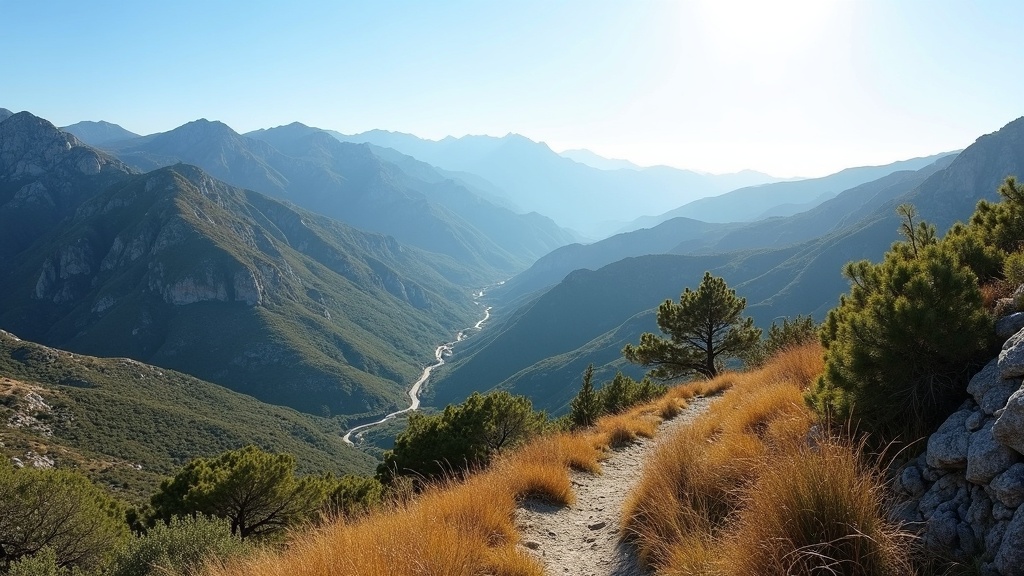
How Climate Creates the Costa del Sol's Year-Round Growing Season
The Costa del Sol's exceptional climate delivers over 320 days of sunshine annually, combined with winter temperatures that rarely fall below 10°C according to AEMET meteorological data. This creates an extended growing season of 10-11 months, compared to just 6-7 months in northern Europe. Winter daytime temperatures typically range from 15-18°C, whilst summers peak at 28-32°C with low humidity levels of 55-65% (Junta de Andalucía).
This climatic stability enables what botanists call 'perpetual spring conditions' – a phenomenon I've witnessed transform countless properties over my 15 years advising international buyers. The consistent warmth and abundant sunshine create optimal photosynthesis conditions year-round, allowing Mediterranean flora to maintain active growth cycles even during traditional dormant winter months. Rainfall concentrates in autumn and winter months (October-March), providing 500-600mm annually – sufficient moisture without the extremes that damage sensitive vegetation.
The result is a landscape where tropical species thrive alongside traditional Mediterranean plants. Mango and avocado trees, which require consistent warmth, produce fruit for 6-8 months annually here. Meanwhile, citrus groves maintain their glossy green foliage throughout winter, offering continual harvests from November through May. This extended productivity is why the region supports over 180,000 hectares of agricultural land, generating €2.3 billion annually (Junta de Andalucía).
What This Climate Means for Property Buyers
For international property buyers, this climate advantage translates into tangible lifestyle and investment benefits. Properties with established gardens maintain their visual appeal year-round, eliminating the seasonal aesthetic fluctuations common in northern climates. Outdoor living spaces – terraces, pools, and gardens – remain usable for 11 months annually, maximising your property's functional living area.
Rental yields particularly benefit from this climate stability. Costa del Sol properties achieve occupancy rates of 75-85% annually, compared to 40-60% for seasonal European destinations (INE 2024). The extended 'shoulder seasons' of October-November and February-April attract visitors seeking mild weather, expanding your potential rental calendar beyond traditional summer months. Maintenance costs also reduce significantly – exterior surfaces suffer minimal weather damage, swimming pools require less winter protection, and landscaping maintains consistent growth patterns.
Energy costs remain consistently low due to minimal heating requirements. Average winter electricity consumption drops to just €45-65 monthly for a 120m² property, whilst many northern European homes require €150-200 monthly for heating alone during comparable periods. This climate advantage compounds annually, contributing thousands of euros in operational savings over a typical 10-year ownership period.
Flora and Fauna Thriving in Perpetual Sunshine
The Costa del Sol's biodiversity reflects its privileged position at Europe's southern edge, where Mediterranean, Atlantic, and North African ecosystems converge. Over 3,000 plant species flourish here, including 150 endemic varieties found nowhere else (Junta de Andalucía Environmental Department). The Sierra de las Nieves, just 45 minutes inland, hosts UNESCO-protected Spanish fir forests existing since the last ice age.
Coastal areas support remarkable wildlife diversity. The region lies on the critical European-African migration flyway, with over 200 bird species recorded annually. Spring migration (March-May) brings spectacular raptor passages – up to 15,000 honey buzzards and 8,000 black kites cross the Strait of Gibraltar each season. Winter temperatures above 10°C allow year-round activity for reptiles, butterflies, and insects, supporting 47 butterfly species compared to just 12-15 in northern European equivalents.
Marine ecosystems benefit equally. The Alboran Sea maintains temperatures of 14-16°C in winter, supporting resident populations of dolphins, pilot whales, and occasional orcas. Posidonia seagrass meadows thrive in these stable conditions, creating underwater forests that support over 400 marine species. This biodiversity richness enhances property values – beachfront locations with healthy marine ecosystems command premium prices of €8,000-12,000 per m² compared to €4,000-6,000 for equivalent inland properties (Idealista 2024).
Making the Most of Costa del Sol's Natural Advantages
When evaluating Costa del Sol properties, consider how these natural advantages align with your lifestyle goals. Properties with south or southwest orientations maximise solar exposure, particularly valuable during shorter winter days. Established gardens with mature Mediterranean plantings – olive trees, citrus, bougainvillea – provide immediate enjoyment whilst new plantings require 2-3 years to establish in this climate.
Location proximity to natural areas enhances both lifestyle and investment potential. Properties within 5km of protected spaces like Montes de Málaga Natural Park or coastal nature reserves consistently outperform market averages, appreciating 12-15% annually versus 8-10% for urban equivalents (Bank of Spain property index). The psychological benefits of year-round natural beauty contribute significantly to resident wellbeing – studies show Mediterranean climate exposure increases vitamin D production by 40-50% compared to northern European levels.
For those seeking deeper insights into specific microclimates and their property implications, our Emma AI system can analyse detailed weather patterns for individual locations, helping you understand exactly how these natural advantages will enhance your Costa del Sol lifestyle. The combination of consistent sunshine, mild temperatures, and rich biodiversity creates more than just pleasant living conditions – it offers a genuine improvement in quality of life that continues surprising residents even after years of enjoyment.
Buyer decision matrix
| Factor | Why it matters | What buyers should verify |
|---|---|---|
| Everyday use | The home must work outside holiday weeks. | Access, services, noise, parking, running costs and year-round comfort. |
| Resale | Practical use supports future demand. | Location, maintenance, rules, energy and local activity. |
| New build | Specifications shape comfort and costs. | Orientation, shade, ventilation, shared facilities, handover and aftercare. |
Local buyer context
Lifestyle value comes when climate, nature, services, health access and home design support year-round routines.
A buyer comparing London, Belfast, Dublin, Manchester or Amsterdam routes usually weighs flight rhythm, family visits, remote work and quieter-month practicality.
For new builds, connect the topic with licences, payment plan, materials, shared facilities, handover and aftercare.
New-build focus: For new builds, connect the topic with licences, payment plan, materials, shared facilities, handover and aftercare.
