
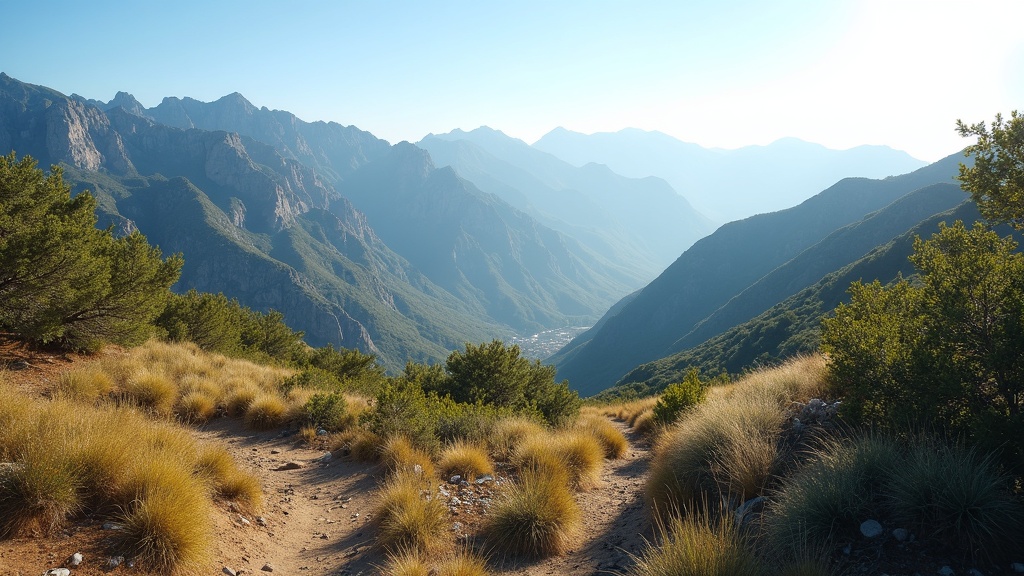
How 300 Sunshine Days Shape Mediterranean Biodiversity
The Costa del Sol's remarkable 300+ annual sunshine days create one of Europe's most distinctive Mediterranean ecosystems. This exceptional climate, with abundant solar radiation and frost-free winters, supports a unique biodiversity that sets our region apart. According to the Spanish Biodiversity Foundation, Andalusia hosts over 4,000 vascular plant species - approximately 62% of Spain's flora (Junta de Andalucía 2024). The consistent warmth and extended growing seasons enable year-round vegetation cycles, supporting both endemic species and exotic introductions that have adapted to our specific microclimate conditions.
Unlike northern European regions where winter dormancy limits plant growth for 4-6 months, the Costa del Sol experiences continuous photosynthetic activity. Average winter temperatures rarely drop below 8°C, whilst summer peaks maintain around 28°C due to Mediterranean coastal moderation (AEMET 2024). This thermal stability creates perfect conditions for drought-adapted vegetation that has evolved sophisticated water conservation strategies over millennia.
Why This Matters for International Property Buyers
As someone who has guided hundreds of international families through Costa del Sol property purchases over the past 15 years, I consistently observe how our exceptional natural environment influences buying decisions. Properties with established Mediterranean gardens command premium prices - typically 15-25% above comparable homes with standard landscaping (Idealista 2024). The reason extends beyond mere aesthetics: mature olive groves, citrus orchards, and native plant gardens require minimal irrigation whilst providing year-round beauty and privacy.
Our clients from northern Europe particularly value this natural abundance. A properly designed Mediterranean garden using native species like oleander, rosemary, and cork oak reduces annual water consumption by up to 60% compared to traditional European landscaping. This sustainability factor has become increasingly important, especially given Andalusia's summer water restrictions that can limit non-essential irrigation between July and September.
The wildlife diversity also adds substantial lifestyle value. Morning coffee accompanied by bee-eater calls, evening gecko choruses, and the seasonal spectacle of bird migrations over Gibraltar create experiences that simply cannot be replicated elsewhere in Europe. Many of my clients specifically seek properties within walking distance of natural parks or cork oak forests, recognising these locations as premium lifestyle investments.
Costa del Sol's Unique Wildlife Ecosystem
The strategic position between Europe and Africa, combined with our subtropical climate, makes the Costa del Sol a crucial wildlife corridor. The Strait of Gibraltar channels over 600,000 raptors annually, including honey buzzards, kites, and the magnificent griffon vultures that soar above the coastal mountains (Fundación Migres 2024). Many species overwinter here, attracted by mild 15-18°C average temperatures and abundant food sources.
Our reptile diversity particularly benefits from consistent sunshine. The common chameleon (Chamaeleo chamaeleon) - Europe's only native chameleon - thrives in coastal pine forests and suburban gardens. These remarkable creatures require temperatures above 20°C for optimal activity, making our climate zone essential for their European population survival. Turkish geckos colonise virtually every building, providing natural pest control whilst creating that distinctive Mediterranean soundtrack of chirping calls after sunset.
The botanical diversity supports complex food webs. Native cork oak forests harbour over 135 bird species, whilst coastal scrubland provides habitat for Spanish algyroides lizards and ladder snakes (Centro de Investigación y Desarrollo 2024). Even suburban areas maintain surprising biodiversity - properly managed gardens can support 40+ bird species throughout the year, from resident hoopoes and bee-eaters to winter visitors like European robins and blackcaps.
Water features, whether natural streams or artificial pools, attract amphibians including Iberian painted frogs and common toads. These species require frost-free conditions for successful breeding, making the Costa del Sol's thermal stability crucial for their lifecycle completion. The interconnected nature of these habitats means that residential developments designed with wildlife corridors and native plantings can maintain remarkable biodiversity even within urbanised zones.
Making the Most of Your Mediterranean Paradise
When selecting your Costa del Sol property, consider locations that maximise this natural heritage. Developments backing onto natural parks or cork oak woodlands offer permanent protection against future construction whilst providing immediate access to hiking trails and wildlife observation opportunities. Properties with established native gardens require minimal maintenance whilst delivering maximum environmental and financial returns.
I recommend working with landscape architects who specialise in Mediterranean xerophytic design - gardens using drought-adapted native species that flourish with minimal irrigation. A thoughtfully planned garden featuring indigenous plants like Spanish broom, wild rosemary, and Aleppo pine creates a seamless transition between your property and the surrounding natural landscape.
Consider also the seasonal rhythms that make Costa del Sol living so rewarding. Spring brings spectacular wildflower displays across hillsides, summer offers endless outdoor dining under star-filled skies, autumn delivers the olive harvest and perfect hiking weather, whilst winter provides ideal conditions for golf and coastal walks in comfortable 18-20°C temperatures.
If you're interested in exploring properties that maximise these natural advantages, Emma, our AI property advisor, can help identify homes with established gardens, proximity to natural areas, or potential for creating your own Mediterranean wildlife sanctuary. The combination of 300 sunshine days, unique biodiversity, and strategic location continues to make the Costa del Sol one of Europe's most desirable residential destinations for those seeking authentic Mediterranean lifestyle experiences.
Practical buyer comparison
| Factor | Why it matters | What buyers should check |
|---|---|---|
| Everyday rhythm | Lifestyle value comes from repeated easy use. | Walking routes, terrace comfort, services and seasonality. |
| Climate comfort | Sun is valuable when the home is designed for it. | Orientation, shade, ventilation, glazing and cooling. |
| Community use | Shared facilities affect both lifestyle and costs. | Pool rules, gyms, gardens, maintenance and community fees. |
| Longer stays | A home should work outside peak summer. | Storage, heating/cooling, workspace, transport and local services. |
Practical buyer context
For overseas buyers, lifestyle value is strongest when the area supports real use: fresh air, outdoor routines, nature access, services, flight rhythm and comfort outside peak summer.
Long-term sunshine is valuable when it supports sustainable habits: morning walks, outdoor meals, social routines, sport and lower-friction winter stays.
A buyer comparing London, Amsterdam, Brussels, Berlin, Stockholm or Helsinki routes will often judge the same location differently depending on family visits, remote work, walking habits and how often the home is used in quieter months.
New-build focus: For new-build homes, check terrace orientation, ventilation, insulation, glazing, shaded outdoor space, community maintenance, storage, parking and aftercare.
