
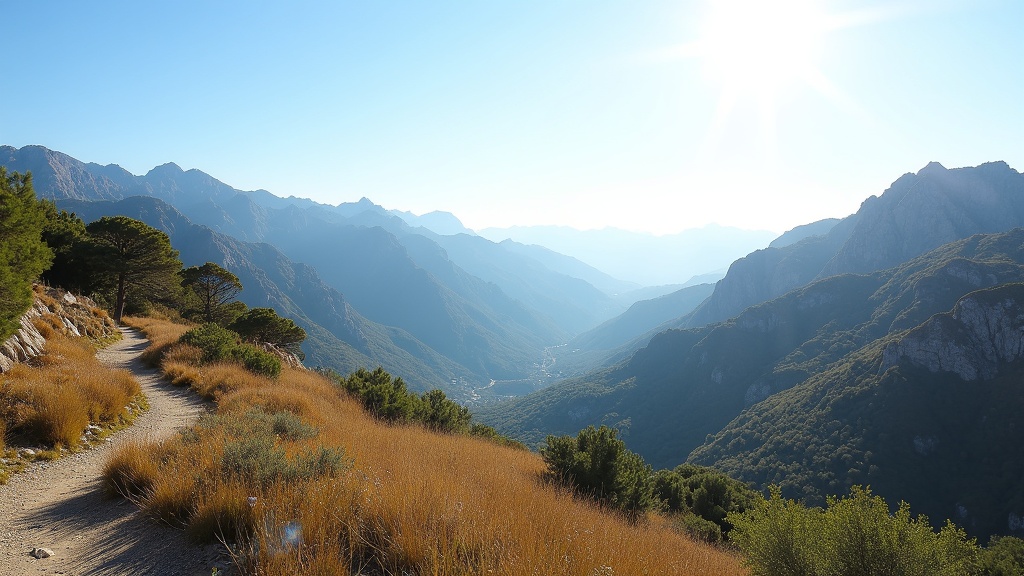
How Mediterranean Climate Defines Costa del Sol's Natural Character
The Costa del Sol's Mediterranean climate—characterised by hot, dry summers averaging 28°C and mild, wet winters at 12°C—creates one of Europe's most distinctive natural environments. With over 320 sunny days annually and just 534mm of rainfall (INE 2025), this climate drives extraordinary biodiversity across 150km of coastline. From the cork oak forests of Sierra de las Nieves UNESCO Biosphere Reserve to the coastal dune systems of Marbella, the interplay between climate and geography produces ecosystems found nowhere else in Europe.
In my 15+ years advising international property buyers, I've witnessed how this climate-nature symbiosis fundamentally shapes lifestyle choices. Clients don't simply purchase properties here—they invest in access to year-round outdoor living within landscapes that have evolved over millennia to thrive in Mediterranean conditions. The Junta de Andalucia reports that 67% of the region remains undeveloped, preserving these natural systems that make the Costa del Sol exceptional.
Why This Climate-Nature Balance Matters for Property Buyers
Understanding the Costa del Sol's climate-driven ecosystems is crucial for making informed property decisions. Properties situated within or adjacent to these natural systems typically command premium values—Idealista data shows homes with direct access to natural areas average €3,200 per m² versus €2,400 per m² for standard coastal properties. More significantly, these locations offer lifestyle benefits that define Mediterranean living: clean air from extensive pine forests, natural temperature regulation from mature vegetation, and year-round outdoor recreation opportunities.
The climate's predictability—with summer temperatures rarely exceeding 32°C due to sea breezes and winter lows seldom below 8°C—supports vegetation that provides natural cooling and wind protection. Properties in Mijas Pueblo or the hills above Estepona benefit from microclimates created by strategic tree positioning and natural landscape features, reducing energy costs by up to 15% (Junta de Andalucia). This isn't merely aesthetic; it represents measurable economic and comfort advantages.
Furthermore, the region's established natural systems provide stability. Unlike areas experiencing rapid ecological change, the Costa del Sol's flora and fauna have reached equilibrium with the climate over centuries, creating reliable environmental conditions that support consistent property values and lifestyle quality.
Five Key Climate-Nature Relationships Shaping the Costa del Sol
The drought-adapted vegetation demonstrates remarkable resilience, with species like Aleppo pines developing extensive root systems reaching depths of 15 metres to access groundwater. Cork oaks, which cover 12,000 hectares across Málaga province, have bark that naturally resists fire—crucial protection during summer months when temperatures exceed 30°C for 60+ consecutive days.
Coastal ecosystems showcase different adaptations. Sea lavender and maritime pines tolerate salt spray and sandy soils, creating natural barriers that protect inland areas from coastal erosion. These species thrive in the region's specific conditions: 2,900 annual sunshine hours combined with Atlantic influence that moderates extreme temperatures.
The bird migration phenomenon represents perhaps the most dramatic climate-nature interaction. The Strait of Gibraltar funnels over 30 million birds annually between European breeding grounds and African wintering areas (SEO/BirdLife). Peak migration periods—April-May and September-October—coincide with optimal weather windows when thermal currents created by land-sea temperature differentials provide natural lift for large species like storks and raptors.
Water systems create distinct microclimates within the broader Mediterranean pattern. The Guadalhorce River valley supports 180 bird species and unique wetland plants, sustained by mountain snowmelt and strategic reservoir management. These areas remain 3-5°C cooler than surrounding zones during summer peaks.
Altitude dramatically affects local conditions. Sierra Blanca, rising to 1,275 metres directly behind Marbella, receives 800mm annual rainfall—50% more than coastal areas. This creates the cloud forests and endemic species that supply Marbella's municipal water and regulate local humidity levels.
Making Climate and Nature Work for Your Property Investment
When evaluating Costa del Sol properties, consider how natural systems enhance rather than constrain development potential. Properties backing onto the Parque Natural Sierra de las Nieves offer permanent view protection and natural climate control, while coastal locations benefit from established dune systems that provide wind protection and maintain air quality.
Look for developments that integrate existing vegetation rather than clearing sites completely. Mature olive trees and carob trees not only provide character but offer measurable benefits: natural shade reducing cooling costs, established root systems preventing erosion, and habitat connectivity supporting local wildlife that many residents find enriching.
Water features—whether natural streams or constructed systems that mirror natural patterns—provide cooling effects worth 2-3°C during peak summer months. Properties near the Río Verde or artificial lakes at developments like La Reserva Club demonstrate how water moderates the Mediterranean climate's intensity.
Consider seasonal variations in your property usage. The Costa del Sol's defined seasons—wet winters ideal for hiking and golf, dry summers perfect for beach activities—create year-round appeal that supports rental potential and resale values. Properties positioned to maximise natural light during winter months while offering shade and breeze access during summer demonstrate thoughtful climate integration.
If you're exploring how the Costa del Sol's unique climate-nature relationship might influence your property decision, Emma, our AI-powered advisor, can help analyse specific locations and microclimates to match your lifestyle preferences and investment goals.
Buyer decision matrix
| Factor | Why it matters | What buyers should verify |
|---|---|---|
| Everyday use | The home must work outside holiday weeks. | Access, services, noise, parking, running costs and year-round comfort. |
| Resale | Practical use supports future demand. | Location, maintenance, rules, energy and local activity. |
| New build | Specifications shape comfort and costs. | Orientation, shade, ventilation, shared facilities, handover and aftercare. |
Local buyer context
Lifestyle value comes when climate, nature, services, health access and home design support year-round routines.
A buyer comparing London, Belfast, Dublin, Manchester or Amsterdam routes usually weighs flight rhythm, family visits, remote work and quieter-month practicality.
For new builds, connect the topic with licences, payment plan, materials, shared facilities, handover and aftercare.
New-build focus: For new builds, connect the topic with licences, payment plan, materials, shared facilities, handover and aftercare.
