
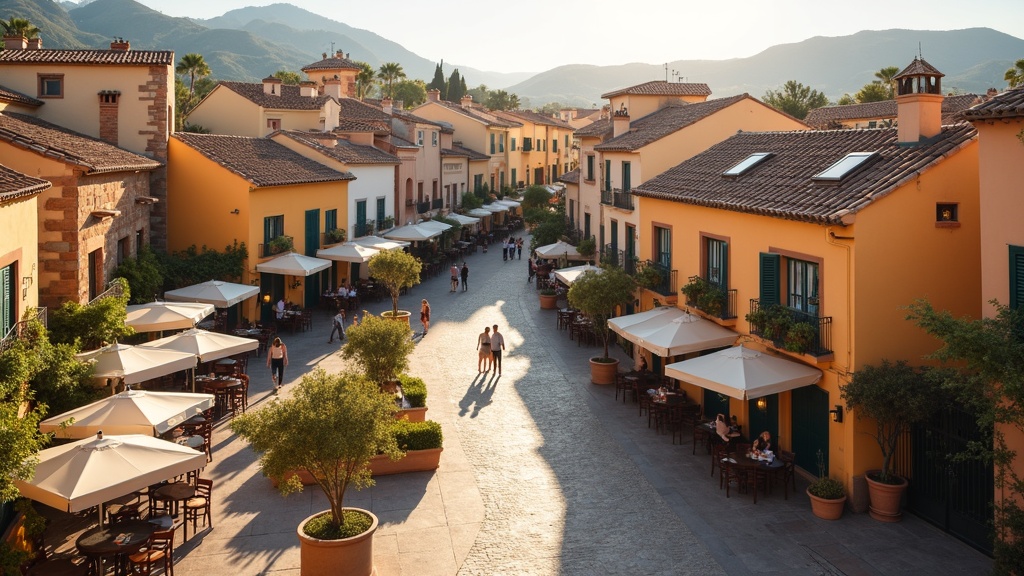
What Makes Costa del Sol's Winter Climate So Special
The Costa del Sol's winter climate offers an extraordinary quality of life that distinguishes it from typical Mediterranean destinations. While much of Europe battles cold, grey winters, our Andalusian coastline enjoys daytime temperatures consistently between 16-20°C from December through February, with nighttime lows rarely dropping below 8-10°C (AEMET).
This remarkable consistency stems from our unique geographical position, sheltered by the Sierra Nevada mountains to the north and warmed by Mediterranean currents. The region receives over 320 sunny days annually, creating what meteorologists term a 'subtropical Mediterranean climate' – essentially perpetual spring conditions during winter months.
What truly sets us apart is the low humidity levels during winter, typically 45-60%, compared to northern Europe's often oppressive 80-90%. This creates comfortable conditions that feel warmer than the actual temperature, while preventing the damp chill that characterises British or German winters. The combination of sunshine, stable temperatures, and dry air creates optimal conditions for year-round outdoor living.
Health and Lifestyle Benefits for International Residents
The health implications of Costa del Sol's winter climate are profound and measurable. Medical research consistently demonstrates that consistent exposure to natural sunlight helps combat Seasonal Affective Disorder (SAD), which affects up to 10% of northern Europeans during winter months. Our clients regularly report improved mood, better sleep patterns, and increased energy levels within weeks of winter residence.
Vitamin D synthesis occurs naturally here even in January, when UV levels remain sufficient for healthy production. This contrasts sharply with northern latitudes where vitamin D deficiency affects over 40% of the population during winter months (European Food Safety Authority). The stable temperatures and low humidity particularly benefit those with respiratory conditions, arthritis, or joint pain – conditions that often worsen in cold, damp climates.
The climate naturally encourages year-round physical activity. Golf courses remain playable 365 days annually, coastal walks are comfortable in light clothing, and hiking in the nearby Sierra de las Nieves or Sierra Bermeja mountains becomes particularly pleasant without summer's intense heat. This consistent activity level contributes significantly to cardiovascular health, bone density, and overall fitness maintenance.
Property owners frequently report reduced heating costs compared to northern Europe, with many homes requiring minimal artificial heating thanks to passive solar warming and superior insulation in modern developments.
Year-Round Activities and Infrastructure Excellence
The Costa del Sol's infrastructure operates at full capacity throughout winter, distinguishing it from seasonal resort destinations. Healthcare facilities, including the renowned Hospital Quirónsalud Marbella and Clínica Universidad de Navarra, maintain complete services year-round. International schools continue full programmes, and the Málaga-Costa del Sol Airport handles over 300 weekly flights during winter months, ensuring excellent connectivity.
Cultural activities flourish during winter months. Málaga's museum quarter, including the Picasso Museum and Centre Pompidou, offers comfortable exploration without summer crowds. The city's renowned Christmas illuminations attract over 2 million visitors annually, while traditional celebrations like Three Kings Day provide authentic cultural immersion.
Golf enthusiasts particularly appreciate winter conditions. With over 70 courses between Sotogrande and Nerja, the region offers ideal playing temperatures without summer's challenging heat. Green fees often reduce by 30-40% during winter months, while course conditions remain exceptional due to consistent rainfall and moderate temperatures.
The culinary scene thrives year-round, with beachfront chiringuitos remaining open for leisurely lunches overlooking the Mediterranean. Mountain villages offer traditional 'ventas' serving hearty winter dishes, while Michelin-starred establishments in Marbella and Estepona maintain full service throughout the season.
Making Your Winter Move: Practical Considerations
Successful long-term winter residence requires specific property considerations. Modern developments in areas like La Cala de Mijas, Nueva Andalucía, and Estepona feature double glazing, efficient heating systems, and proper insulation – essential for comfortable winter living. Older properties may lack adequate heating, making professional property assessment crucial.
Legal requirements for extended stays include obtaining an NIE number for residents, registering with local authorities for stays exceeding 90 days, and ensuring appropriate healthcare coverage. EU residents enjoy straightforward processes, while non-EU citizens should explore Spain's various visa options, including the increasingly popular Digital Nomad Visa.
Cost considerations favour winter residents significantly. Rental properties often offer 40-50% discounts during off-season months, while restaurants, car rentals, and activities provide substantial savings. Utility costs for heating typically range from €50-150 monthly, depending on property size and insulation quality – considerably less than northern European equivalents.
The international community remains vibrant throughout winter, with expatriate associations, language exchanges, and social clubs maintaining full activity schedules. This ensures seamless integration and ongoing social connections, crucial for long-term satisfaction.
For those considering property investment, winter visits provide authentic insight into year-round living conditions, neighbourhood dynamics, and infrastructure reliability. Emma, our AI property advisor, can provide detailed climate data, utility cost projections, and seasonal activity schedules for specific areas, ensuring informed decision-making for your Costa del Sol investment.
Buyer decision matrix
| Factor | Why it matters | What buyers should verify |
|---|---|---|
| Documents | Wrong sequencing can delay the purchase. | NIE, lawyer, bank account, tax budget and payment evidence. |
| Costs | The asking price is not the full budget. | Taxes, notary, registry, lawyer, bank, insurance and community fees. |
| New build | Off-plan payments need protection. | Licence stage, bank guarantees, payment plan and handover terms. |
Local buyer context
A safe buying decision connects documents, banking, tax, legal review and local practice before reservation.
A buyer comparing London, Belfast, Dublin, Manchester or Amsterdam routes usually weighs flight rhythm, family visits, remote work and quieter-month practicality.
For new builds, connect the topic with licences, payment plan, materials, shared facilities, handover and aftercare.
New-build focus: For new builds, connect the topic with licences, payment plan, materials, shared facilities, handover and aftercare.
