
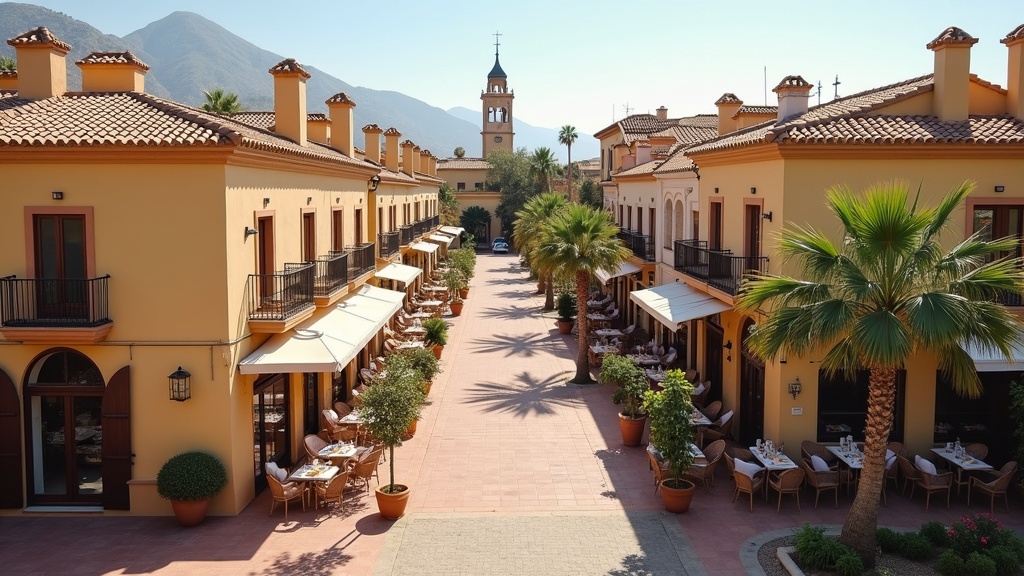
Why Mild Winters Drive Smart Property Selection in Costa del Sol
For international buyers, the primary appeal of Costa del Sol real estate is not just the sunshine, but the viability of year-round living. Unlike seasonal destinations that lie dormant from November to March, the mild winter climate here transforms property ownership from a holiday expense into a functional asset. This distinction is critical when evaluating long-term investment potential and lifestyle quality.
The geographical advantage—shielded by mountain ranges and moderated by the Mediterranean Sea—creates a microclimate where outdoor living remains possible throughout the colder months. For a buyer, this means the property must be selected with specific criteria in mind: orientation, insulation, and access to services that remain active during low-season periods. A home that works only in July is a liability; one that thrives in January is an asset.
Practical Considerations for Year-Round Ownership
Selecting a property for winter use requires looking beyond the brochure images. The focus shifts to structural integrity and community management. In Northern Europe, winter brings heating costs and storm damage risks. Here, the challenges are different: humidity control, ventilation, and ensuring the building fabric withstands occasional heavy rains without compromising comfort.
Maintenance becomes a key decision factor. Properties in well-managed communities with professional administration tend to hold their value better because common areas remain clean and safe regardless of occupancy levels. Buyers should investigate whether the community has funds reserved for exterior maintenance, as this prevents special assessments that can disrupt budget planning.
Furthermore, the 'winter resident' demographic influences local infrastructure. Areas with established international communities often retain open restaurants, medical services, and transport links through the off-season. Conversely, purely tourist-centric zones may see reduced activity, impacting both daily convenience and rental demand if you plan to let the property out.
Due Diligence: Verifying Local Reality
Before committing, thorough local due diligence is essential. This goes beyond legal title checks. It involves verifying the actual condition of the property during a non-peak visit. Does the heating system work efficiently? Is there adequate natural light during shorter days? Are noise levels manageable despite fewer tourists?
Resale suitability is closely tied to these practicalities. Future buyers will likely share your need for a low-maintenance, habitable winter home. Therefore, features like energy-efficient windows, modern HVAC systems, and secure parking become significant value drivers. Avoid properties with complex communal issues or poor accessibility, as these deter the very demographic seeking ease of life.
- Orientation Check: Prioritize south-facing terraces to maximize passive solar gain during cooler months.
- Community Audit: Review meeting minutes for unresolved maintenance disputes or deferred repairs.
- Service Availability: Confirm that local amenities (pharmacies, supermarkets) operate full hours in winter.
- Energy Efficiency: Inspect insulation and glazing standards to ensure low running costs.
New-Build Specifics for Investors
If considering new-build developments, the focus expands to construction quality and handover protocols. Ensure the developer provides clear documentation on materials used, particularly regarding moisture resistance and thermal performance. Verify the status of licenses and completion certificates to avoid future regulatory hurdles. Payment plans should be scrutinized for flexibility, and aftercare warranties must be clearly defined to cover any defects arising during the first few years of occupancy.
