
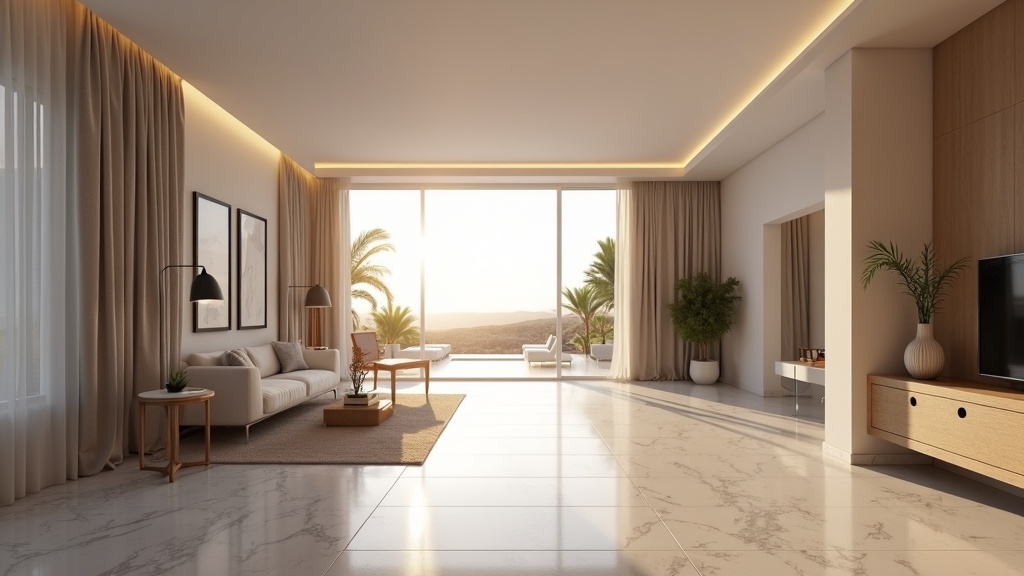
How Costa del Sol's Climate Defines Your Property Choice
The Costa del Sol's legendary Mediterranean climate isn't just about enjoying year-round sunshine—it's a fundamental factor that should guide every aspect of your property search. With over 320 sunny days annually and winter temperatures averaging 15°C (INE 2025), this region offers an unparalleled lifestyle that directly impacts property values, rental potential, and your daily comfort.
In my 15 years helping international buyers, I've seen how climate considerations can make or break a property investment. The constant sunshine creates demand for homes with expansive terraces, private pools, and outdoor kitchens. Properties with south-facing orientations command premiums of 10-15% due to maximum winter sun exposure, while those with covered terraces and proper shading systems maintain their value in the competitive summer rental market.
The mild climate extends your living space outdoors for most of the year. This means properties with quality outdoor areas—think covered terraces of 40m² or more, mature gardens, and pool areas—consistently outperform apartment blocks without these features. Summer rental yields for properties with pools average 8-12% higher than similar homes without (Idealista 2024), making climate-conscious choices profitable long-term decisions.
Impact on International Property Buyers
For international buyers, particularly those from Northern European climates, the Costa del Sol's weather represents a complete lifestyle transformation. The ability to use outdoor spaces 300+ days per year fundamentally changes how you'll use your property and what features matter most.
Healthcare benefits are significant—the consistent vitamin D exposure and reduced heating costs appeal especially to retirees. Properties in coastal areas like Estepona and Marbella, protected by the Sierra Blanca mountains, maintain humidity levels of 60-65%—optimal for respiratory health without the oppressive moisture found in tropical climates.
From a practical standpoint, the climate reduces annual utility costs substantially. Modern Costa del Sol homes with proper orientation and insulation typically see heating bills under €200 annually, while cooling costs average €400-600 for a 120m² property (AEAT energy consumption data). This contrasts sharply with Northern European heating bills that can exceed €2,000 annually.
The extended season also means your investment property can generate rental income from March through November—a 9-month window compared to the 3-4 month season typical in other Mediterranean destinations.
Costa del Sol's Unique Microclimates
Not every area along the Costa del Sol enjoys identical weather conditions. The region's geography creates distinct microclimates that can significantly influence your property choice and lifestyle experience.
The Sierra Blanca mountain range creates a natural barrier that protects coastal areas from harsh inland temperatures and northerly winds. Marbella, nestled against these mountains, experiences average winter temperatures 2-3°C warmer than inland areas, while summer temperatures rarely exceed 32°C thanks to consistent sea breezes.
Estepona benefits from similar mountain protection, with the added advantage of being the wettest area on the coast—receiving 650mm annually versus Almería's 200mm. This extra rainfall supports lush gardens without irrigation stress, making properties with extensive landscaping more sustainable.
Moving eastward, Fuengirola and Benalmádena experience slightly more temperature variation—winters can be 1-2°C cooler, but summers are generally breezier due to their exposure to prevailing winds. These areas often appeal to buyers who prefer a more noticeable seasonal change while maintaining the Mediterranean advantage.
Altitude also plays a role. Properties in Mijas Pueblo, at 428m elevation, enjoy cooler evening temperatures—often 5-7°C lower than coastal areas during summer months. This creates natural air conditioning for those who find coastal summers too warm but still want easy beach access.
Making Climate-Conscious Property Decisions
Understanding the climate should inform every aspect of your property selection—from location and orientation to construction features and ongoing costs. Here's how to leverage this knowledge effectively.
Property orientation is crucial. South-facing properties maximize winter sunlight, reducing heating needs, but require adequate shading systems for summer comfort. East-facing morning sun is gentler, while west-facing properties can be uncomfortably warm during summer afternoons. I always check compass orientation during viewings and advise clients on optimal positioning for their intended use.
Construction materials matter significantly. Properties built after 2006 generally feature improved insulation standards, double-glazing, and thermal bridges that maintain consistent interior temperatures. Look for thick exterior walls (25cm+), quality window installations, and mechanical ventilation systems—these features can reduce energy costs by 30-40% compared to older constructions.
Pool considerations extend beyond luxury appeal. A 8x4m pool requires approximately 3,000-4,000 litres of water annually for top-ups, plus chemical treatments averaging €300-500 yearly. However, properties with pools command rental premiums of €150-300 per week during peak season, often justifying the investment within 3-4 years.
Garden planning should embrace Mediterranean principles. Native plantings like oleander, bougainvillaea, and olive trees require minimal water once established, while lawn areas can increase water bills by €100+ monthly during summer. Smart landscaping that works with the climate—not against it—enhances property value while controlling costs.
For those considering this journey, Emma, our AI-powered property advisor, can help you explore specific climate considerations for different areas and property types, ensuring your Costa del Sol dream aligns perfectly with both your lifestyle aspirations and practical needs.
Buyer decision matrix
| Factor | Why it matters | What buyers should verify |
|---|---|---|
| Documents | Wrong sequencing can delay the purchase. | NIE, lawyer, bank account, tax budget and payment evidence. |
| Costs | The asking price is not the full budget. | Taxes, notary, registry, lawyer, bank, insurance and community fees. |
| New build | Off-plan payments need protection. | Licence stage, bank guarantees, payment plan and handover terms. |
Local buyer context
A safe buying decision connects documents, banking, tax, legal review and local practice before reservation.
A buyer comparing London, Belfast, Dublin, Manchester or Amsterdam routes usually weighs flight rhythm, family visits, remote work and quieter-month practicality.
For new builds, connect the topic with licences, payment plan, materials, shared facilities, handover and aftercare.
New-build focus: For new builds, connect the topic with licences, payment plan, materials, shared facilities, handover and aftercare.
