
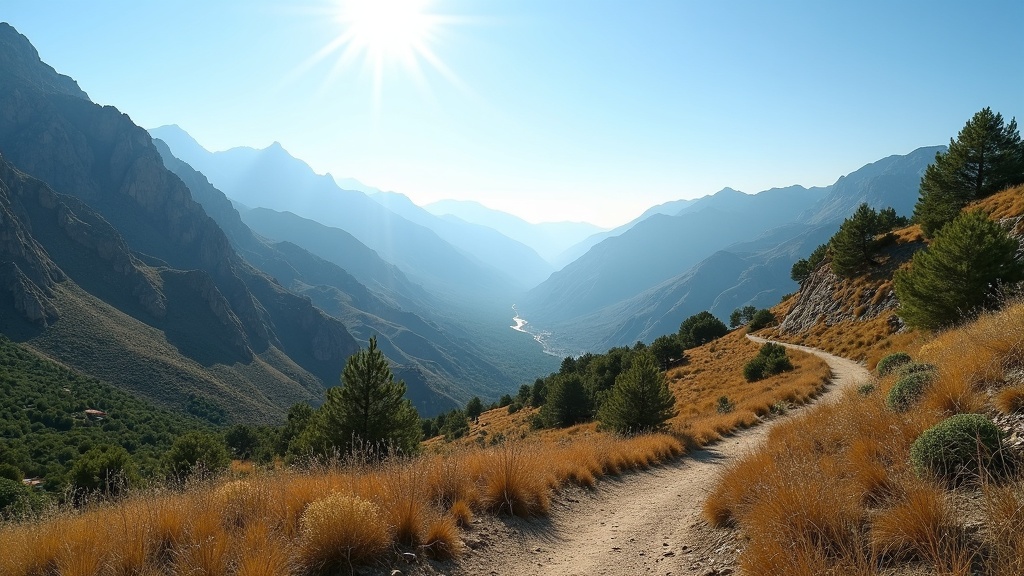
Andalucía and Costa del Sol are home to stunning biodiversity, from the lush coastal wetlands to the rugged mountain ranges of Sierra Nevada.The region boasts a unique microclimate that supports a wide variety of flora and fauna, including endangered species, making it a hotspot for nature conservation and an ideal place for those seeking to connect with nature.
Having lived and worked in Costa del Sol for many years, I have had the pleasure of guiding countless families to find their perfect home here. But beyond the sun-soaked shores and luxurious villas lies a fascinating landscape teeming with life – a hidden gem that many are just beginning to discover. From bustling coastal towns to serene mountain peaks, the region offers an incredible spectrum of ecosystems. Understanding this biodiversity not only enriches your experience here but also underscores the importance of sustainable development, which we at Del Sol Prime Homes are very mindful of.
What Makes the Biodiversity in Andalucía and Costa del Sol So Unique?
Andalucía, and particularly Costa del Sol, is a hub for biodiversity thanks to its geographical location at the intersection of the Atlantic and Mediterranean Seas, as well as its dramatic topography ranging from coastlines to towering mountains. This creates a mosaic of microclimates and habitats that support an astonishing array of species, many of which are endemic. As I often tell my clients, it's not just the weather and culture that make this area special; it's the whole package, including the spectacular nature.
How Does the Mediterranean Climate Affect the Region's Flora?
The Mediterranean climate, characterized by warm, dry summers and mild, wet winters, is a key factor. This cycle has shaped the adaptation of the plants in the region, leading to an abundance of hardy, evergreen species. You will see a dominance of plant species adapted to drought, such as aromatic herbs like rosemary, thyme, and lavender, thriving on the sunny slopes. Cork oaks, olive groves, and pine trees are also common, forming the backbone of many natural landscapes. This resilience creates a beautiful and low-maintenance landscape, which is a bonus for those considering buying a home with a garden here houses with garden Costa del Sol.
Which Mountain Ranges Contribute to the Biodiversity?
Sierra Nevada, Serranía de Ronda, Sierra de Grazalema, and Montes de Málaga are just some of the mountain ranges that shape Andalucía. These mountains create a barrier that traps moisture and creates different climatic zones, from the Mediterranean coastal belt to alpine meadows, although the latter are less prominent directly on Costa del Sol. In Sierra Nevada, you will find the southernmost glaciers of Northern Europe and a remarkable ecological wealth with many endemic plants. Serranía de Ronda, closer to the coast, is known for its pinsapo pine forests, a relic species from the Tertiary period, found only in a few isolated mountains in Andalucía and North Africa. These areas offer fantastic opportunities for hiking and outdoor activities hiking Costa del Sol.
What Iconic Animal Species Can Be Found in Costa del Sol's Wilderness?
Costa del Sol and its inland areas are a paradise for wildlife enthusiasts. From the majestic raptors soaring above to the elusive mammals roaming the dense forests, there is always something to discover. Over the years, I have often heard stories from clients who have had incredible encounters with the local fauna, further proving the unique charm of this region.
Is Costa del Sol an Important Area for Migratory Birds?
Absolutely! Situated by the Strait of Gibraltar, Costa del Sol is one of the major passage routes for millions of migratory birds traveling between Europe and Africa. In spring and autumn, you can witness a spectacular display of black storks, honey buzzards, vultures, and many other species crossing the strait. There are several designated lookout points, especially near Tarifa and along the coast, where you can witness this impressive migration. These areas are protected wetlands such as Laguna de Fuente de Piedra, where you can see large colonies of flamingos Junta de Andalucía nature parks. Birdwatching is a popular hobby here, and it’s a wonderful way to spend a relaxing afternoon.
Which Mammals Call Costa del Sol's Mountains Home?
The mountains surrounding Costa del Sol host a range of fascinating mammals. The ibex, a wild goat, is a common sight on the steep cliffs in the natural parks, and it is an incredible experience to see these agile creatures. Roe deer and wild boar are also widespread and can occasionally be spotted in more remote areas. Most notably, perhaps, is the rare Iberian lynx (lynx pardinus), one of the world's most endangered cat species, which is slowly recovering thanks to conservation efforts. Although it is unlikely to see a lynx, its presence is a testament to the importance of protecting these pristine natural areas. This explains why many of our clients who value nature are drawn to properties near these beautiful natural habitats, such as in properties Mijas Pueblo or country estates Estepona.
What About the Marine Biodiversity Along the Coast?
The Mediterranean Sea off the Costa del Sol is rich in marine life. You can often see dolphins frolicking offshore, and whales such as fin whales and pilot whales also pass through the Strait of Gibraltar. The coastline boasts a rich ecosystem of fish, shellfish, and octopuses, which is part of the reason local gastronomy is so excellent gastronomy Costa del Sol. Unfortunately, some species such as the common tuna are threatened, but significant efforts are being made to protect marine ecosystems through marine reserves and sustainable fishing EU fisheries policy Spain. This richness of the sea is one of many reasons why sailing and water sports are so popular here.
What Nature Parks and Protected Areas Preserve Costa del Sol's Unique Nature?
Andalucía has a unique network of nature parks, national parks, and biosphere reserves that are crucial for preserving the region's biodiversity. In my experience, particularly Northern European buyers greatly appreciate the well-preserved natural areas and the recreational opportunities they offer. It is one of the significant advantages of living here, beyond the sunshine and relaxed lifestyle.
What Famous National Parks Are Near Costa del Sol?
National Park Sierra Nevada is the most well-known and is relatively close to Costa del Sol, making it a popular destination for day trips and winter sports ski trip Sierra Nevada. Although it is technically not located directly on Costa del Sol, its influence on the region's microclimate and biodiversity is significant. The park is home to an incredible amount of endemic plant species and rich wildlife. Additionally, you will find several nature parks bordering Costa del Sol, such as Sierra de las Nieves Natural Park, a recently designated national park that is home to the rare pinsapo pine and a rugged yet beautiful landscape.
How Do Local Initiatives Protect Biodiversity?
Local authorities and communities are actively engaged in conservation efforts. For example, there are programs for the recovery of endangered species such as the Iberian lynx and Spanish imperial eagle. Many initiatives also aim to preserve coastal dune ecosystems and wetlands. These efforts are often supported by EU funds and involve everything from replanting native tree species to establishing ecological corridors that help wildlife move freely between different habitats EU Natura 2000 network Spain. This commitment to sustainability makes Costa del Sol an even more attractive destination for those wishing to live in harmony with nature.
What Natural Areas Are Easily Accessible from Marbella or Estepona?
From Marbella and Estepona, there is easy access to a number of fantastic natural areas. Sierra de las Nieves Natural Park, as mentioned, is a short drive away and offers countless hiking trails. El Torcal de Antequera, with its unique karst formations, is also within reach. For those who enjoy coastal vibes, Artola Dunes (Dunas de Artola) near Cabopino offers a unique protected dune landscape with boardwalks that allow you to experience the coastal flora and fauna without disturbing it. These spots are perfect for weekend getaways and provide a welcome contrast to city life leisure activities Costa del Sol.
What Are the Threats to Biodiversity in Costa del Sol – and What Is Being Done?
While Costa del Sol thrives as a destination, it is important to acknowledge the challenges that the region's biodiversity faces. As a property specialist focused on sustainability, I am always aware of the balance that must be found between development and conservation. This is a topic that often comes up when we talk with clients about investing in homes in rural areas investment property Costa del Sol.
How Do Urbanization and Tourism Affect the Region's Ecosystems?
Urbanization and the rising tourism have undoubtedly put pressure on the region's natural ecosystems. The expansion of urban areas can lead to habitat loss and fragmentation, isolating animal populations. Infrastructure development such as roads can also disrupt wildlife migration patterns. Tourism, while economically important, can lead to overcrowding in certain areas and disturbance of sensitive ecosystems if not managed properly. For example, there are rules regarding construction in certain coastal areas to protect dunes and coastal plants Spanish coastal legislation.
Are Sustainable Solutions for Nature Conservation Being Implemented?
Fortunately, there is a growing awareness of the importance of sustainability, and many initiatives are in place. Both the government and private organizations are working to promote ecotourism, encouraging responsible exploration of nature with minimal environmental impact. There are strict regulations on construction development in protected areas, and efforts are focused on restoring degraded habitats. Water management is a critical area in a dry climate, and investments are being made in efficient irrigation systems and water recycling. As real estate experts, we always inform our clients about any limitations and benefits of properties in or near protected areas, ensuring their investment is both sound and responsible.
How Can Property Buyers Contribute to Biodiversity Conservation?
As a property buyer in Costa del Sol, you can play an active role in supporting biodiversity. Choose properties built to environmentally friendly standards, and consider creating a garden with native plant species that require less water and support local wildlife. You can also support local ecotourism businesses or donate to conservation organizations. By being a responsible resident, you help preserve the natural beauty that makes Costa del Sol so special. I have seen many of our clients implement water-saving systems and solar panels in their new homes, which help protect the environment while reducing operating costs buying process in Spain.
What Outdoor Activities Provide Access to Costa del Sol's Nature?
One of the greatest pleasures of living in Costa del Sol is the easy access to an incredible array of outdoor activities. Whether you prefer leisurely walks, challenging hikes, or exploring the sea, there are ample opportunities to immerse yourself in the region's lush nature. In my experience, this is a key factor for many of our clients seeking a healthy and active lifestyle in the sun.
Where Can You Hike and Cycle in the Pristine Nature?
Costa del Sol offers a wealth of trails for hikers and cyclists. From coastal paths such as Senda Litoral, which connects coastal towns, to more challenging routes in mountain ranges such as Sierra Blanca behind Marbella or Sierra Bermeja near Estepona, there is something for every level. The trails in nature parks, such as Sierra de las Nieves, are well-marked and offer stunning views of the landscape and the Mediterranean Sea. I have personally spent countless hours exploring these trails, and they are an amazing way to experience the local flora and fauna up close.
Are There Opportunities for Wildlife Observation and Birdwatching?
Due to the region's position as an important migratory route for birds, birdwatching is a popular activity. The Strait of Gibraltar is a popular spot for observing raptors, but wetlands such as Laguna de Fuente de Piedra (known for its pink flamingos) and the mouth of the Guadalhorce River near Málaga are excellent places to see a wide variety of waterfowl and other species. There are also organized tours for spotting dolphins and whales offshore, which can be an unforgettable experience. This is a fantastic way to enjoy nature lifestyle Costa del Sol.
What Water Sports Activities Connect You with the Ocean’s Ecosystems?
For those who love the sea, there are countless ways to interact with the region's marine ecosystems. Snorkeling and diving along the coast allow you to explore the underwater world up close, and there are many spots with rich marine life, especially around the cliffs of Maro-Cerro Gordo Natural Park east of Málaga. Kayaking and paddleboarding are also fantastic ways to glide along the coast, discover secluded coves, and perhaps even spot dolphins. These activities provide a unique connection to the Mediterranean's biodiversity and an opportunity to appreciate it from a different perspective.
