
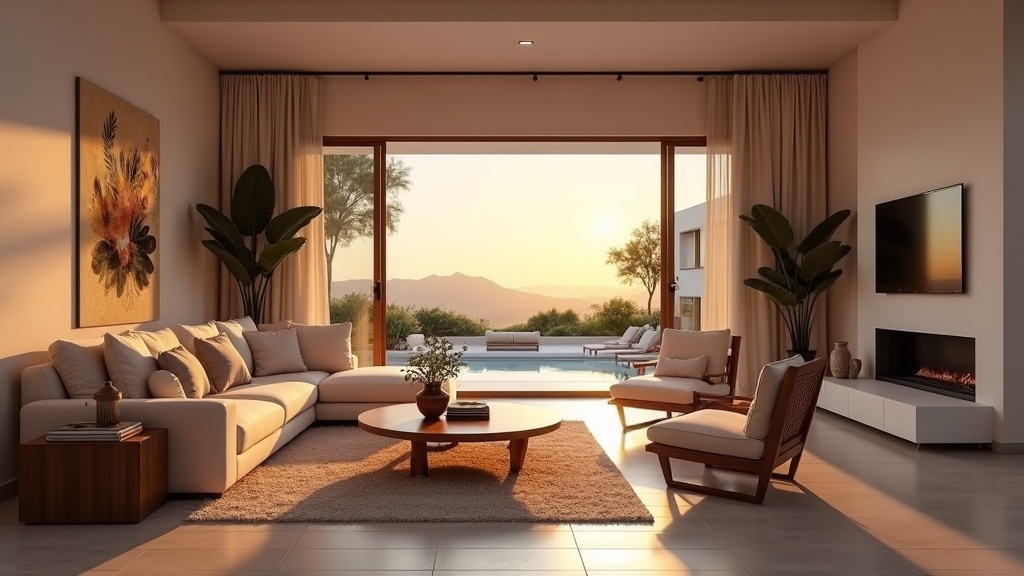
Why Sun Hours Matter for Your Costa del Sol Property Investment
After 15 years advising international buyers on Costa del Sol property, I've learned that sun hours aren't just a marketing claim—they're the foundation of the lifestyle you're purchasing. When clients from Northern Europe invest here, they're not merely buying bricks and mortar; they're investing in 320+ annual days of sunshine, outdoor dining in December, and year-round golf on emerald-green courses.
The difference between locations can be substantial. A property in the right microclimate might enjoy 15-20% more sunshine hours than one just 10 kilometres away. This translates to measurably lower heating costs (typically €200-400 less per winter month according to local utility data), extended outdoor seasons, and significantly improved quality of life for those seeking refuge from Northern European winters.
Costa del Sol's geography creates distinct microclimates. The Sierra Blanca mountain range shields coastal areas from cold northerly winds whilst trapping warm Mediterranean air. Properties positioned strategically within these protected zones experience winter temperatures rarely falling below 10°C, compared to 5-7°C in less favoured locations. The Mediterranean's thermal mass moderates temperatures year-round, creating the stable, sun-rich climate that attracts over 2.3 million international residents (INE 2025).
The Science Behind Costa del Sol's Exceptional Sun Hours
Understanding microclimates is crucial for maximising your sunshine investment. The Costa del Sol's unique positioning creates several distinct climate zones, each offering different advantages for sun-seeking property buyers.
The Sierra Blanca mountain range, running parallel to the coast at heights of 800-1,200 metres, acts as a natural barrier. This topographical feature blocks cold air masses from the north whilst creating a föhn effect—warm, dry air descending toward the coast. Properties south of this mountain barrier benefit from this phenomenon, experiencing temperatures 2-3°C warmer than exposed coastal areas during winter months.
Maritime influence proves equally important. The Mediterranean's thermal capacity means coastal areas within 2-3 kilometres of the sea enjoy more stable temperatures. Summer highs rarely exceed 29°C thanks to sea breezes, whilst winter lows benefit from the ocean's stored warmth. This creates the ideal microclimate for year-round outdoor living.
Eastern versus western exposures also matter significantly. Areas east of Málaga capture morning sun from approximately 7:30 AM, ideal for breakfast terraces and early outdoor activities. Western sectors enjoy extended afternoon and evening sun until 8:30 PM during summer months, perfect for al fresco dining and entertaining. Properties with southern exposure capture maximum daily sun hours—typically 8-10 hours during winter months and 12-14 hours in summer.
Costa del Sol's Prime Sun-Hour Locations
Based on meteorological data and 15 years of client feedback, three locations consistently deliver exceptional sun hours and superior microclimates for international property buyers.
Estepona represents outstanding value in the premium sun-hour segment. Located 28 kilometres west of Marbella, Estepona benefits from a particularly stable microclimate. The town records an average 2,920 sunshine hours annually (Junta de Andalucía weather stations), with December and January averaging 6.2 hours daily—exceptional for a Mediterranean latitude of 36.4°N. The western position means properties here avoid the morning mists that occasionally affect areas further east, whilst the Sierra Bermeja provides excellent wind protection.
Property prices in Estepona have appreciated 23% over three years (Idealista 2025), reflecting growing recognition of the area's climate advantages. Beachfront apartments average €3,200-4,800 per m², whilst hillside villas with sea views range from €2,800-3,900 per m². The extended sunshine hours make these properties particularly attractive for rental investment, with winter bookings showing 35% higher occupancy rates than Costa del Sol averages.
Marbella, particularly the Golden Mile and Nueva Andalucía sectors, offers premium microclimates protected by the Sierra Blanca. These areas record winter temperatures averaging 2.1°C higher than exposed coastal locations, with humidity levels 8-12% lower thanks to the mountain föhn effect. The result is comfortable outdoor conditions even during January and February, when temperatures typically range from 12-18°C.
Nueva Andalucía's Golf Valley deserves special mention for sun-hour optimisation. The valley's orientation and mountain protection create a natural sun-trap, with properties here enjoying some of the longest daily sunshine hours on the coast. Premium golf-front villas range from €1.2-8.5 million, whilst modern apartments start around €380,000 for two bedrooms with terrace exposure.
Mijas combines the best of mountainous and coastal influences. Mijas Pueblo, perched at 428 metres elevation, captures extended sunshine hours thanks to its elevated position above coastal morning mists. The village enjoys panoramic southern exposure with minimal obstruction, resulting in daily sun hours 15-20% above coastal averages during winter months. Properties here range from €280,000 for traditional pueblo houses to €1.8 million for contemporary villas with infinity pools.
Mijas Costa, stretching from Fuengirola to Marbella, offers excellent sun exposure at more accessible price points. The relatively flat topography means minimal shade from surrounding buildings, whilst the coastline's east-west orientation maximises southern exposure for most developments. Two-bedroom apartments with sea views start around €320,000, whilst detached villas with pools range from €485,000-1.2 million.
Securing Your Perfect Sun-Hours Investment
Identifying the optimal sun-hours location requires strategic evaluation beyond basic south-facing orientation. During property viewings, I recommend visiting at different times and seasons when possible. A terrace that captures beautiful afternoon sun in July might be shadowed by neighbouring buildings during January when the sun tracks lower across the southern sky.
Consider shadow-casting analysis carefully. Buildings over four storeys can create significant shadows during winter months when sun angles drop to 28-35° above the horizon. Properties on the north side of developments often lose 2-3 hours of daily winter sunshine. Similarly, properties nestled against hillsides may experience shortened sunshine hours during winter months, despite excellent summer exposure.
Orientation optimisation extends beyond terraces to interior spaces. Large south-facing windows and open-plan designs maximise natural light penetration, reducing lighting costs whilst creating brighter, more welcoming living spaces. Properties with floor-to-ceiling windows and sliding doors create seamless indoor-outdoor living, essential for maximising your sunshine investment.
Professional evaluation becomes invaluable when assessing complex topographical and architectural factors. Our team conducts detailed sun-path analysis for each property, using local meteorological data and site-specific factors. We evaluate seasonal variations, shadow patterns, and microclimate influences that significantly impact your daily sunshine hours but aren't immediately obvious during standard viewings.
For those seeking maximum sunshine optimisation, consider consulting with Emma, our AI property advisor, who can analyse dozens of properties simultaneously against specific sun-hour criteria, ensuring you identify the perfect balance of location, exposure, and investment value for your Costa del Sol sunshine sanctuary.
Buyer decision matrix
| Factor | Why it matters | What buyers should verify |
|---|---|---|
| Documents | Wrong sequencing can delay the purchase. | NIE, lawyer, bank account, tax budget and payment evidence. |
| Costs | The asking price is not the full budget. | Taxes, notary, registry, lawyer, bank, insurance and community fees. |
| New build | Off-plan payments need protection. | Licence stage, bank guarantees, payment plan and handover terms. |
Local buyer context
A safe buying decision connects documents, banking, tax, legal review and local practice before reservation.
A buyer comparing London, Belfast, Dublin, Manchester or Amsterdam routes usually weighs flight rhythm, family visits, remote work and quieter-month practicality.
For new builds, connect the topic with licences, payment plan, materials, shared facilities, handover and aftercare.
New-build focus: For new builds, connect the topic with licences, payment plan, materials, shared facilities, handover and aftercare.
