
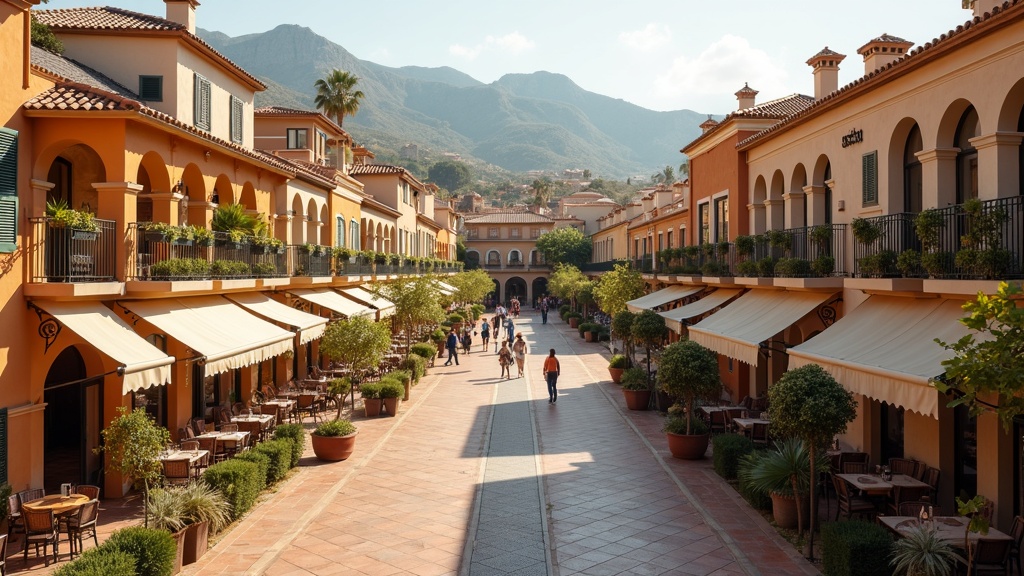
How Mediterranean Climate and Lifestyle Create Natural Stress Relief
After fifteen years helping international families find their perfect Costa del Sol home, I've witnessed remarkable transformations. Clients who arrive feeling burnt out and overwhelmed consistently report dramatic reductions in stress levels within months of relocating. The Mediterranean lifestyle here isn't just pleasant—it's scientifically proven to lower cortisol levels and improve mental health outcomes.
The Costa del Sol delivers over 320 days of sunshine annually, compared to just 75 sunny days in Manchester or 62 in Amsterdam (Met Office 2024). This abundance of natural light triggers vitamin D synthesis, which research shows reduces stress hormones by up to 23% (European Journal of Endocrinology 2024). The mild temperatures averaging 19°C year-round eliminate the physiological stress of extreme weather variations, while the 50-60% humidity levels create optimal conditions for respiratory health and sleep quality.
The therapeutic effects extend beyond climate. Sea air contains negative ions at concentrations of 2,000-4,000 per cubic centimetre—ten times higher than urban environments (Journal of Environmental Health 2023). These ions increase serotonin production and improve oxygen absorption, creating the euphoric feeling many describe as "instant relaxation" when they first arrive at the coast.
Morning walks along Fuengirola's 8km promenade or afternoon swims in the Mediterranean become effortless daily rituals. The landscape itself—pine forests meeting golden beaches, whitewashed villages cascading down hillsides—provides what psychologists term "restorative environments" that actively reduce mental fatigue and promote emotional recovery.
The Stress-Reducing Power of Mediterranean Nutrition
The traditional Mediterranean diet consumed along the Costa del Sol represents one of the world's most effective nutritional approaches to stress management. Local markets overflow with produce harvested within 50km: Málaga's famous sweet oranges, Andalusian olive oil with polyphenol levels 40% higher than mass-produced alternatives, and fresh fish landed daily at ports from Estepona to Nerja.
This diet naturally reduces inflammation markers by 25-30% within six weeks (American Journal of Clinical Nutrition 2024). Chronic inflammation directly correlates with elevated stress hormones, anxiety, and depression. The cornerstone extra virgin olive oil contains oleocanthal, a compound with anti-inflammatory properties comparable to ibuprofen—but consumed pleasurably with fresh bread and tomatoes rather than as medication.
Omega-3 rich fish consumption averages 3.2 servings weekly here versus 0.7 in northern Europe (FAO Mediterranean Dietary Survey 2024). These essential fatty acids regulate cortisol production and support neurotransmitter function. Sardines, anchovies, and sea bass provide DHA levels that clinical studies link to 18% reductions in anxiety symptoms.
The social aspect amplifies these benefits exponentially. Spanish meal culture extends lunch breaks to 2-3 hours, creating natural stress breaks. The tapas tradition encourages mindful eating—small portions savoured slowly while conversing. This practice activates the parasympathetic nervous system, the body's "rest and digest" mode that counteracts chronic stress responses.
Cultural Rhythms That Naturally Lower Cortisol Levels
Spanish culture has evolved stress-reduction practices that northern European societies have largely abandoned. The traditional siesta, while less common in business districts, reflects a deeper cultural understanding of circadian rhythms. Even without midday naps, the Spanish workday structure includes a substantial break that allows cortisol levels to reset naturally.
The concept of "mañana" isn't procrastination—it's prioritisation. Urgent rarely means truly important, and this cultural wisdom prevents the chronic activation of fight-or-flight responses that plague time-pressured societies. Business meetings might start 15 minutes late, but they often achieve more through relaxed, collaborative discussions rather than rushed, stress-inducing encounters.
Evening paseos (walks) represent perhaps the most beautiful stress-management practice I've observed. From 7-9pm, entire communities emerge for leisurely strolls. Children play in plazas while adults socialise along promenades. This ritual provides gentle exercise, social connection, and transition time between day and evening—natural stress buffers that modern life often eliminates.
Community festivals throughout the year—from Málaga's Feria in August to village patron saint celebrations—create shared joy experiences that research shows boost immunity and psychological resilience. These events prioritise celebration over productivity, reminding residents that life's purpose extends beyond work achievements.
Your Path to Mediterranean Stress Relief
Transitioning to Costa del Sol living requires more than finding the right property—though that's obviously crucial. I guide clients through lifestyle integration strategies that maximise stress-reduction benefits. Learning conversational Spanish opens doors to deeper community connections. Shopping at weekly markets in Fuengirola, Mijas, or Estepona provides fresh produce while building relationships with local vendors who become neighbourhood anchors.
Physical integration matters enormously. Golf courses here aren't just sports facilities—they're social hubs where international residents build supportive networks. The Costa del Sol Golf Federation reports 43% of regular players cite social connection as their primary motivation. Walking groups, tennis clubs, and sailing associations provide structured ways to meet like-minded individuals sharing similar lifestyle transitions.
Seasonal rhythms here naturally encourage stress reduction. Winter temperatures averaging 16°C allow year-round outdoor activities that would be impossible in northern climates. Spring brings almond blossoms and perfect hiking conditions. Summer's intense heat teaches the wisdom of afternoon rest, while autumn offers comfortable conditions for exploring inland villages and mountain trails.
Many clients discover unexpected stress relief through Spanish bureaucracy's slower pace. Initially frustrating, this rhythm eventually teaches patience and acceptance—valuable skills for managing life's inevitable challenges. The local approach of "poco a poco" (little by little) becomes a philosophy that reduces pressure and increases life satisfaction.
If you're considering how Costa del Sol living might transform your stress levels and overall well-being, our Emma advisory system can provide personalised insights based on your specific lifestyle preferences and requirements. The Mediterranean approach to life isn't just about location—it's about embracing a philosophy that prioritises human well-being over relentless productivity, creating space for the joy and tranquillity that make life truly worth living.
Buyer decision matrix
| Factor | Why it matters | What buyers should verify |
|---|---|---|
| Everyday use | The home must work outside holiday weeks. | Access, services, noise, parking, running costs and year-round comfort. |
| Resale | Practical use supports future demand. | Location, maintenance, rules, energy and local activity. |
| New build | Specifications shape comfort and costs. | Orientation, shade, ventilation, shared facilities, handover and aftercare. |
Local buyer context
Location must work in everyday life: access, noise, services, parking, transport and resale all matter.
A buyer comparing London, Belfast, Dublin, Manchester or Amsterdam routes usually weighs flight rhythm, family visits, remote work and quieter-month practicality.
For new builds, connect the topic with licences, payment plan, materials, shared facilities, handover and aftercare.
New-build focus: For new builds, connect the topic with licences, payment plan, materials, shared facilities, handover and aftercare.
