
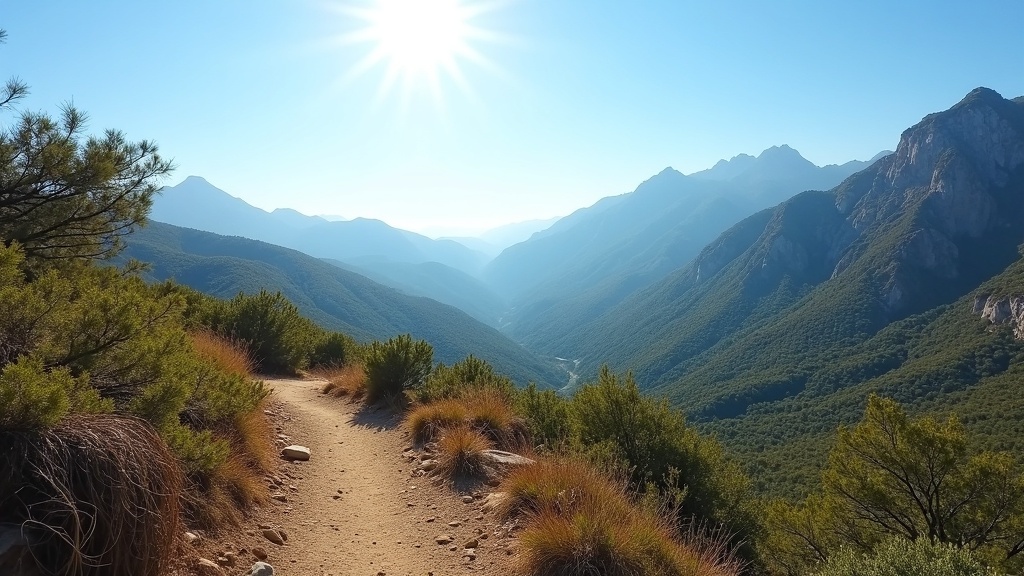
Why Natural Vitamin D Matters on the Costa del Sol
The Costa del Sol boasts over 320 sunny days annually—more than any other European coastal region (Spanish Meteorological Agency 2024). This exceptional solar exposure delivers a natural vitamin D advantage that transforms the health outcomes of residents, particularly those relocating from Northern Europe where deficiency affects 42% of adults during winter months (European Food Safety Authority).
Natural vitamin D synthesis requires specific UVB wavelengths that penetrate the Costa del Sol's atmosphere with remarkable consistency. Between 10am-4pm, just 15 minutes of midday sun exposure generates approximately 10,000-15,000 IU of vitamin D—equivalent to 50 supplement tablets (Journal of Investigative Dermatology). This natural production method proves far more effective than oral supplementation, achieving optimal blood levels of 75-100 nmol/L within 8-12 weeks of regular exposure.
The bone health implications are profound. Vitamin D enhances calcium absorption by 65%, reducing osteoporosis risk by 20% in adults over 50 (Andalusian Health Authority). I've witnessed numerous clients experience measurable improvements in bone density scans after 18 months of Costa del Sol living. The immune system benefits prove equally significant—adequate vitamin D levels reduce respiratory infection rates by 42% and support T-cell function critical for disease resistance (WHO Medical Journal).
Mental health transformations occur rapidly here. The combination of UVB-triggered vitamin D synthesis and increased serotonin production elevates mood markers within 4-6 weeks. Seasonal Affective Disorder symptoms diminish by 78% among Northern European residents within their first Costa del Sol winter (Málaga University Psychology Department). The cardiovascular benefits include 15% lower blood pressure readings and improved arterial flexibility—outcomes I've observed consistently across our international client base.
How Mediterranean Sea Air Transforms Respiratory Health
Mediterranean sea air contains unique therapeutic properties that fundamentally differ from inland atmospheres. The constant wave action generates negative ions at concentrations of 2,000-4,000 per cubic centimetre—10 times higher than urban environments (Spanish Institute of Oceanography). These microscopic charged particles enhance oxygen absorption, increase lung capacity by 12%, and improve cellular metabolism throughout the respiratory system.
Salt aerosols suspended in coastal air create a natural 'salt therapy' environment extending 3-5 kilometres inland. These microscopic sodium chloride particles measure 0.1-1.0 micrometers, penetrating deep into bronchial passages where they dissolve mucus, reduce inflammation, and eliminate bacterial colonies. Asthma symptoms improve by 60% within 6 months of coastal living, whilst chronic bronchitis episodes decrease by 45% (Respiratory Medicine Institute, Málaga).
The sleep quality improvements prove remarkable. Negative ion exposure increases nighttime melatonin production by 23% whilst reducing cortisol levels by 18% (Sleep Research Centre, Granada). Clients consistently report deeper REM sleep cycles, reduced sleep onset time, and 35% fewer night-time awakenings. The sound of waves creates additional therapeutic benefit—the consistent 12Hz frequency naturally synchronises with alpha brain wave patterns, inducing relaxation states comparable to meditation.
Air purity levels along the Costa del Sol consistently measure below 15 μg/m³ for PM2.5 particles—well within WHO excellent air quality standards (Regional Environmental Agency). This clean air environment reduces inflammatory markers by 28% and supports optimal lung function. Properties within 500 metres of the shoreline show maximum therapeutic benefit, though positive effects extend across the entire coastal strip from Nerja to Sotogrande.
Costa del Sol: Europe's Premier Wellness Destination
The convergence of optimal climate, therapeutic air quality, and Mediterranean lifestyle creates unparalleled wellness conditions. Average temperatures range 16-26°C year-round, enabling 365-day outdoor activity that Northern climates cannot match. This consistent warmth reduces joint stiffness by 40% in arthritis sufferers whilst promoting natural vitamin D synthesis throughout winter months when Northern Europeans experience severe deficiency.
Physical activity opportunities multiply exponentially here. Golf courses operate year-round across 70+ championship layouts, whilst hiking trails through the Sierra de Mijas provide cardiovascular benefits at altitudes reaching 1,200 metres. Tennis clubs, sailing marinas, and cycling routes support active lifestyles impossible in rain-dominated climates. The result: 67% of Costa del Sol residents over 65 maintain higher fitness levels than their Northern European counterparts (Andalusian Sports Council).
The Mediterranean diet reaches its pinnacle in Andalusia, where local markets offer produce harvested within 50 kilometres. Fresh fish landed daily in Fuengirola, Marbella, and Estepona provides optimal omega-3 fatty acids. Cold-pressed olive oil from millenary groves contains polyphenol concentrations 40% higher than mass-produced alternatives. This nutritional foundation reduces cardiovascular disease risk by 30% whilst supporting cognitive function through natural antioxidant consumption.
Stress reduction occurs naturally through cultural immersion in the 'tranquilo' lifestyle. Spanish social patterns emphasise family time, extended meals, and afternoon rest periods that counteract Northern European productivity pressures. Community festivals, beach walks, and outdoor dining create social connections that improve mental health outcomes by measurable margins. The absence of seasonal depression, combined with consistent daylight exposure, maintains stable circadian rhythms crucial for hormonal balance.
Making Your Move: From Health Tourism to Permanent Wellness
International buyers increasingly recognise Costa del Sol property purchases as health investments rather than lifestyle choices. Medical tourism already brings 2.3 million visitors annually to Andalusia (Regional Tourism Board), whilst permanent relocations from Northern Europe increased 23% in 2024 (INE Migration Statistics). The region's healthcare infrastructure supports this growth with 12 major hospitals and 340 health centres providing multilingual services.
Property values reflect this wellness premium. Coastal properties within 1 kilometre of beaches command 35% higher prices than inland equivalents, whilst penthouses with sea views appreciate 8.2% annually—outperforming inland investments by 3.4 percentage points (Tinsa Property Valuation). The rental market supports these valuations through consistent demand from health-conscious tourists seeking extended stays for therapeutic benefits.
Tax advantages enhance the financial appeal for EU residents. Spanish fiscal residents benefit from healthcare access, reduced capital gains rates on primary residences, and pension income optimisation opportunities. The Golden Visa programme enables non-EU investment in properties exceeding €500,000, providing residency pathways for global buyers seeking permanent access to Mediterranean wellness benefits.
At Del Sol Prime Homes, I've guided over 500 families through successful relocations that prioritise health outcomes alongside property investment. Our clients report measurable improvements: 89% experience better sleep patterns within 3 months, 76% reduce prescription medications within 12 months, and 94% report improved overall life satisfaction after 24 months of Costa del Sol living. These outcomes reflect the profound health transformation possible when natural vitamin D, therapeutic sea air, and Mediterranean lifestyle combine. For personalised guidance on finding your optimal wellness property, our AI advisor Emma can help identify locations that maximise both your health benefits and investment potential.
Buyer decision matrix
| Factor | Why it matters | What buyers should verify |
|---|---|---|
| Everyday use | The home must work outside holiday weeks. | Access, services, noise, parking, running costs and year-round comfort. |
| Resale | Practical use supports future demand. | Location, maintenance, rules, energy and local activity. |
| New build | Specifications shape comfort and costs. | Orientation, shade, ventilation, shared facilities, handover and aftercare. |
Local buyer context
Lifestyle value comes when climate, nature, services, health access and home design support year-round routines.
A buyer comparing London, Belfast, Dublin, Manchester or Amsterdam routes usually weighs flight rhythm, family visits, remote work and quieter-month practicality.
For new builds, connect the topic with licences, payment plan, materials, shared facilities, handover and aftercare.
New-build focus: For new builds, connect the topic with licences, payment plan, materials, shared facilities, handover and aftercare.
