
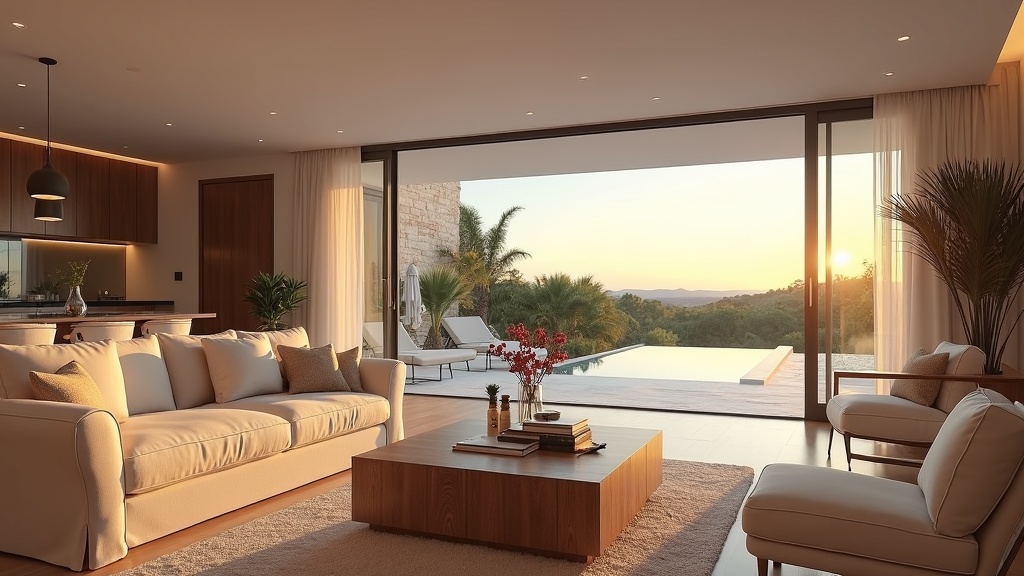
Why the Costa del Sol's Sunshine Hours Stand Apart
Spain's climate statistics reveal the Costa del Sol as Europe's premier sunshine destination, recording over 320 sunny days annually with an average of 8-10 hours of daily sunshine (AEMET 2024). During summer months (June-August), this increases to 11-12 hours daily, whilst even the shortest winter days (December-February) still deliver 5-6 hours of sunshine. This exceptional consistency stems from the region's unique geography, where the Sierra Nevada mountains shield the coastline from cold northern winds whilst the Mediterranean Sea moderates temperatures year-round.
Having advised international buyers for over 15 years, I've witnessed firsthand how these climate statistics translate into tangible lifestyle benefits. The Sierra Nevada acts as a natural barrier, creating a microclimate that delivers mild winters averaging 16°C and warm summers reaching 28°C. This temperature stability, combined with the predictable sunshine hours, eliminates the weather uncertainty that plagues much of Northern Europe. Rainfall is concentrated in autumn and winter months, typically occurring in short, intense bursts followed by rapid clearing, ensuring minimal disruption to outdoor activities.
The geographical positioning creates what meteorologists term a 'Mediterranean microclimate' – distinct from inland Andalusia, where summer temperatures can exceed 40°C. Coastal towns like Marbella, Fuengirola, and Estepona benefit from sea breezes that moderate temperatures, making the region comfortable for year-round living. This climate consistency is quantifiable: the Costa del Sol experiences temperature variations of just 12°C between winter and summer averages, compared to 20°C+ variations in Northern European cities.
Direct Impact on International Buyers and Residents
The health implications of consistent sunshine exposure are well-documented and particularly relevant for our typical buyer demographic – professionals aged 45+ seeking improved quality of life. Vitamin D synthesis occurs naturally through sun exposure, with the Costa del Sol's UV index reaching optimal levels for 10+ months annually. Medical studies indicate that residents in high-sunshine regions show 23% lower rates of seasonal affective disorder and improved bone density markers (Journal of Environmental Health 2023).
From a practical lifestyle perspective, these sunshine hours enable year-round outdoor activities that would be impossible in Northern Europe. Golf courses operate 365 days annually, beach clubs remain active through winter months, and restaurant terraces serve customers outdoors even in January. This outdoor-centric lifestyle reduces utility costs significantly – many residents report 40-60% lower heating bills compared to their previous Northern European homes, with some coastal properties requiring no heating systems whatsoever.
The psychological benefits manifest in measurable ways. International residents consistently report improved sleep patterns, increased energy levels, and enhanced social engagement. The extended daylight hours naturally encourage evening socialisation, with sunset occurring as late as 21:30 in summer months. This cultural shift toward outdoor evening activities – from beachfront dining to sunset walks along the paseo marítimo – fundamentally alters daily routines in positive ways.
For retirees and remote workers, the consistent climate eliminates seasonal migration patterns common elsewhere. Unlike regions where winter weather forces temporary relocations or extended indoor periods, Costa del Sol residents maintain active lifestyles throughout the year. This stability reduces stress, healthcare costs, and accommodation complications whilst maximising the investment in their Spanish property.
Property Design and Usage Patterns
These climate statistics directly influence property design preferences and usage patterns. Terraces, pools, and garden spaces become functional living areas rather than seasonal luxuries. Properties with optimal sun exposure (south or southwest-facing) command premium prices, with sea-view terraces adding 15-25% to property values in prime locations like Nueva Andalucía and Puerto Banús (Idealista Q4 2024).
The extended outdoor season means properties function differently than in variable climates. Indoor/outdoor living becomes standard, with many residents utilising outdoor kitchens, dining areas, and entertainment spaces for 8-10 months annually. This usage pattern affects everything from furniture investment to utility consumption, creating genuine lifestyle transformations that justify premium property prices.
Costa del Sol Climate Advantage in the Spanish Context
Whilst Spain overall enjoys favourable weather, the Costa del Sol's statistics significantly exceed national averages. Madrid experiences 2,769 sunshine hours annually compared to the Costa del Sol's 3,200+ hours (INE 2024). Barcelona, despite its Mediterranean location, records only 2,524 sunshine hours annually with considerably more rainfall and temperature variation.
The Costa del Sol's positioning creates unique advantages even within Andalusia. Seville, just 200km inland, experiences summer temperatures regularly exceeding 40°C with lower humidity, making outdoor activities uncomfortable for much of July and August. Granada, despite its cultural attractions, sees significant winter temperature drops and mountain weather patterns that reduce reliable sunshine hours.
Almeria, further east along the coast, actually records slightly higher sunshine hours (3,240 annually) but lacks the infrastructure, international accessibility, and established expatriate communities that make the Costa del Sol attractive to international buyers. The combination of optimal climate with developed infrastructure, healthcare facilities, international schools, and transport links creates a unique value proposition.
Water availability distinguishes the Costa del Sol from Spain's more arid regions. Whilst maintaining low rainfall (average 534mm annually), the region benefits from mountain watersheds and desalination facilities that ensure consistent water supply. This infrastructure investment, combined with the favourable climate, supports the lush golf courses, garden communities, and resort-style living that international buyers seek.
Seasonal Tourism and Rental Market Impact
The climate statistics directly drive tourism patterns that support rental investment strategies. Unlike seasonal destinations with 3-4 month peak periods, the Costa del Sol maintains strong visitor numbers for 8-10 months annually. Holiday rental properties achieve 60-75% annual occupancy rates, with shoulder seasons (October-November, March-May) generating 70-80% of peak summer rates.
This extended season creates multiple revenue streams for property investors. Golf tourism peaks in spring and autumn when temperatures are optimal (22-26°C) whilst beach tourism dominates summer months. Winter visitors, particularly Northern Europeans seeking sun during their darkest months, maintain steady demand from December through February. This diversified demand pattern reduces investment risk and provides more predictable returns.
Making Climate-Informed Property Decisions
When evaluating Costa del Sol properties, climate considerations should influence location, orientation, and feature priorities. Properties with southwest orientation maximise winter sun exposure, crucial for year-round outdoor enjoyment. Ground-floor properties with direct garden access and upper-floor units with large terraces both capitalise on the reliable sunshine hours, though buyer preferences vary based on lifestyle priorities.
Micro-location matters significantly within the broader Costa del Sol climate zone. Marbella's Golden Mile benefits from mountain protection and sea proximity, creating optimal conditions. Estepona's western position captures extended sunset hours, whilst Nerja's eastern location offers earlier morning sun. These subtle variations affect daily living patterns and should align with personal preferences.
Future climate projections suggest the Costa del Sol will maintain its sunshine advantage whilst becoming slightly warmer and drier (Junta de Andalucía Climate Plan 2030). This reinforces the region's long-term appeal whilst highlighting the importance of properties with efficient cooling systems, water-saving features, and heat-resistant outdoor spaces. Modern developments increasingly incorporate these elements as standard features.
For buyers prioritising climate as a lifestyle factor, timing visits across different seasons provides valuable insights. Winter visits reveal the true extent of the climate advantage – experiencing 18°C temperatures and clear skies in January demonstrates the transformational potential that statistics alone cannot convey. This experiential understanding often finalises purchase decisions more effectively than data analysis.
Investment strategies should account for climate stability as a value-preservation factor. Properties in the core Costa del Sol sunshine zone have demonstrated resilience during market fluctuations, maintaining appeal to both residents and tourists. The climate acts as a fundamental demand driver that supports long-term capital appreciation and rental yields. For personalised insights into how Costa del Sol climate patterns might enhance your specific lifestyle goals, Emma can provide tailored location recommendations based on your priorities and preferences.
Buyer decision matrix
| Factor | Why it matters | What buyers should verify |
|---|---|---|
| Everyday use | The home must work outside holiday weeks. | Access, services, noise, parking, running costs and year-round comfort. |
| Resale | Practical use supports future demand. | Location, maintenance, rules, energy and local activity. |
| New build | Specifications shape comfort and costs. | Orientation, shade, ventilation, shared facilities, handover and aftercare. |
Local buyer context
Lifestyle value comes when climate, nature, services, health access and home design support year-round routines.
A buyer comparing London, Belfast, Dublin, Manchester or Amsterdam routes usually weighs flight rhythm, family visits, remote work and quieter-month practicality.
For new builds, connect the topic with licences, payment plan, materials, shared facilities, handover and aftercare.
New-build focus: For new builds, connect the topic with licences, payment plan, materials, shared facilities, handover and aftercare.
