
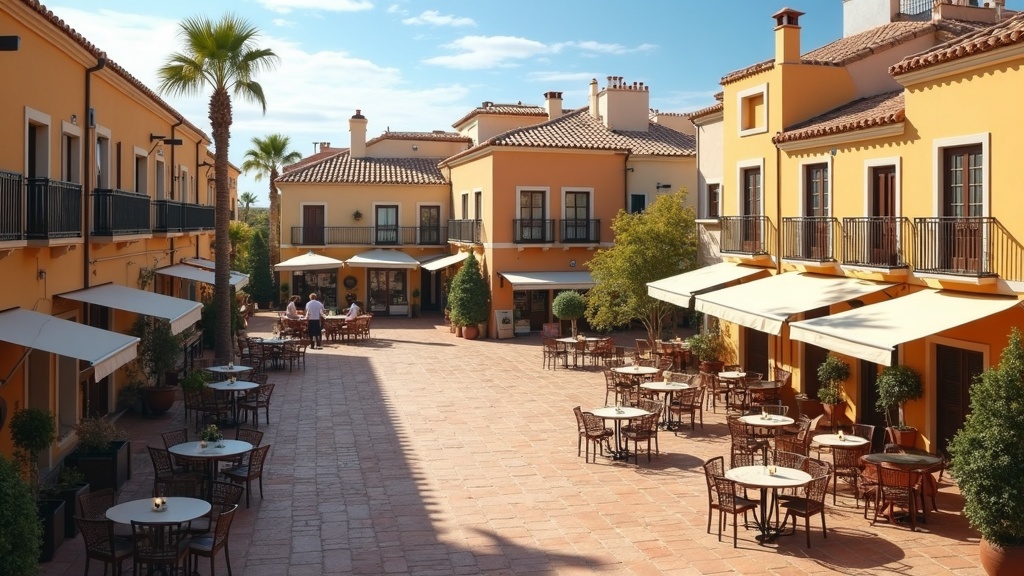
What Makes the Costa del Sol's Climate So Uniquely Mild?
The Costa del Sol's extraordinary climate stems from a perfect geographical cocktail that creates Europe's most stable coastal microclimate. Protected by the Sierra Nevada mountain range and bathed by the Mediterranean Sea's tempering influence, this stretch of Andalusian coastline enjoys over 320 days of sunshine annually (AEMET 2024).
The Sierra Nevada acts as a natural windbreak, shielding the coast from harsh northerly winds in winter whilst moderating the intense inland heat during summer. This mountain barrier, combined with the Mediterranean's thermal regulation—warming the air in winter and cooling it in summer—creates remarkably stable temperatures year-round. Winter averages hover between 15-20°C, whilst summer temperatures typically range from 25-30°C, often tempered by refreshing sea breezes.
Unlike other Mediterranean coastlines that experience extreme seasonal variations, the Costa del Sol maintains this gentle consistency. The French Riviera suffers from the fierce Mistral winds, Greek islands endure scorching summers exceeding 35°C, and Italy's coasts face unpredictable weather patterns. Here in Málaga province, the climate remains dependably mild—a factor that's driven international property investment for decades.
How This Mild Climate Transforms Daily Life and Property Values
Living under 320 days of annual sunshine fundamentally changes how life unfolds along the Costa del Sol. Restaurant terraces remain bustling throughout December, golf courses stay green year-round, and outdoor events continue through the winter months. This isn't merely pleasant weather—it's a lifestyle enabler that directly impacts property values and investment returns.
The health benefits are quantifiable: consistent vitamin D exposure from year-round sunshine, cleaner coastal air quality, and opportunities for daily outdoor exercise regardless of season. From water sports in Estepona to mountain hiking near Mijas, the climate supports an active lifestyle that many Northern Europeans find transformative for their wellbeing.
Property-wise, this climate stability creates exceptional rental yields and capital appreciation. The extended tourist season—effectively March through November—maximises holiday rental potential. Beachfront apartments in Fuengirola or golf villas in Nueva Andalucía command premium prices precisely because buyers can guarantee year-round usability. In my experience, properties with optimal sun exposure (south or southwest-facing) command 15-20% higher values than comparable north-facing units.
Costa del Sol Microclimates: Choosing Your Perfect Weather Zone
Within the Costa del Sol's broadly mild climate exist subtle but important microclimatic variations that affect daily comfort and property performance. Understanding these nuances helps optimise your property choice for maximum year-round enjoyment.
The western zones—Marbella, Puerto Banús, and Estepona—benefit from additional mountain protection via the Sierra Blanca and Sierra Bermeja ranges. This creates slightly warmer winter temperatures and enhanced wind protection, making these areas particularly comfortable during cooler months. Properties in Marbella's golf valleys or Estepona's hillside developments often experience temperatures 2-3°C higher than exposed coastal locations.
The central and eastern areas—Fuengirola, Benalmádena, and towards Málaga city—lie more openly on the coastline. Whilst still enjoying excellent climate conditions, these zones can experience slightly more wind exposure and marginally cooler winter temperatures. However, they benefit from enhanced sea breezes during summer heat and closer proximity to Málaga airport.
Property orientation becomes crucial in these microclimatic variations. South-facing terraces capture maximum winter sunshine, whilst southwest orientations balance morning light with afternoon sea breezes. When viewing properties, I always recommend visiting at different times of day and season to understand how these subtle climate differences affect daily comfort levels.
Planning Your Costa del Sol Move: Climate Considerations and Next Steps
The Costa del Sol's climate advantage extends beyond mere weather statistics—it represents a fundamental lifestyle shift that requires thoughtful property selection. Energy efficiency becomes different when heating costs drop dramatically compared to Northern Europe, but cooling requirements increase during peak summer months.
Modern properties built after 2010 typically feature excellent thermal efficiency rated through Spain's Energy Performance Certificates. These ratings directly impact running costs: an 'A' rated property might cost €800-1,200 annually for climate control, whilst older 'E' rated properties could require €2,000-3,000 yearly (IDAE 2024). Factor these operational costs into your purchase budget alongside considering water usage for pools and gardens during occasional drought restrictions.
The Junta de Andalucía continues investing in climate resilience through coastal protection projects and water management infrastructure, supporting long-term property value stability. Desalination facilities and improved irrigation systems ensure water security even during drier periods, whilst green infrastructure initiatives enhance urban cooling.
If you're ready to explore how the Costa del Sol's exceptional climate could enhance your lifestyle, our Emma AI advisor can provide initial guidance on optimal locations based on your climate preferences and property requirements. With over 15 years of local experience, we understand how microclimate variations affect daily living and long-term property satisfaction across every corner of this sun-blessed coastline.
Buyer decision matrix
| Factor | Why it matters | What buyers should verify |
|---|---|---|
| Daily access | The home must work outside holiday weeks. | Airport, shops, beach, healthcare, parking and noise. |
| Micro-location | Two homes in one town can feel very different. | Sun, views, walking routes, privacy and services. |
| Resale | Practical use supports future demand. | Access, maintenance, rules, energy and local activity. |
Local buyer context
Lifestyle value comes when climate, nature, services, health access and home design support year-round routines.
A buyer comparing London, Belfast, Dublin, Manchester or Amsterdam routes usually weighs flight rhythm, family visits, remote work and quieter-month practicality.
For new builds, connect the topic with licences, payment plan, materials, shared facilities, handover and aftercare.
New-build focus: For new builds, connect the topic with licences, payment plan, materials, shared facilities, handover and aftercare.
