
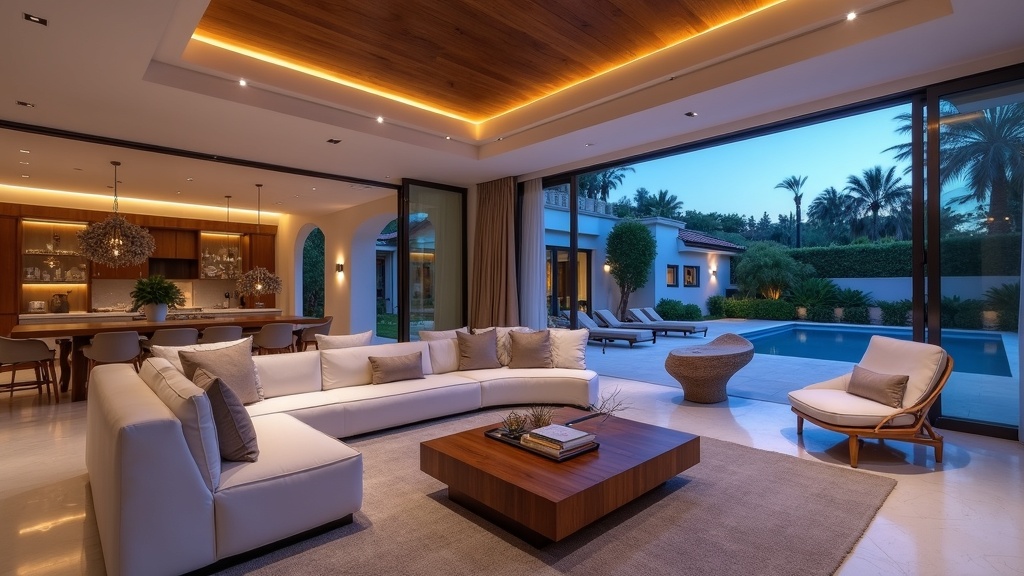
Climate Patterns and Seasonal Character: What to Expect Year-Round
The Costa del Sol presents two distinctly different faces throughout the year, each offering compelling advantages depending on your lifestyle priorities. Summer temperatures consistently exceed 30°C from June through September, accompanied by minimal rainfall (less than 5mm monthly according to AEMET), creating the classic Mediterranean beach paradise that draws millions of visitors annually.
Winter presents an entirely different proposition. From October through April, daytime temperatures hover between 15-20°C with over 300 sunshine hours monthly (Junta de Andalucía climate data), earning the region its reputation as Europe's winter sun destination. Rainfall increases during these months but typically arrives as brief, intense showers rather than persistent drizzle, leaving plenty of clear, crisp days perfect for outdoor activities.
The shoulder seasons—late April to early June and September to October—offer perhaps the most balanced conditions, combining pleasant temperatures with manageable tourist numbers. However, these brief windows often see the highest competition for premium properties as savvy buyers recognise the optimal timing.
Property Market Dynamics: How Seasons Impact Investment Decisions
Seasonal variations significantly influence property pricing and availability across the Costa del Sol. During peak summer months (July-August), rental yields for holiday properties can reach 8-12% annually, but purchase prices typically increase by 15-20% compared to winter levels (Idealista Q2 2024 data). The competition intensifies dramatically, with premium properties in Marbella and Puerto Banús often receiving multiple offers within days.
Winter property hunting offers strategic advantages that experienced buyers leverage effectively. Inventory increases by approximately 35% from November through February as developers and private sellers target the influx of northern European visitors escaping harsh winters. Negotiation margins expand considerably—I regularly secure 10-15% discounts for clients during these quieter months, particularly for properties that have lingered on the market through summer.
The rental market demonstrates clear seasonal patterns. Summer short-term rentals in coastal locations can command €150-300 per night for quality properties, while winter long-term rentals to golf enthusiasts and retirees provide steady income at €800-1,500 monthly for similar properties. Properties with golf course access or mountain views particularly benefit from winter demand, as the mild climate makes outdoor activities enjoyable when northern Europe endures freezing temperatures.
Lifestyle Considerations: Matching Your Preferences to the Right Season
Your ideal Costa del Sol experience depends entirely on your lifestyle priorities and tolerance for crowds. Summer delivers the quintessential Spanish coastal experience—beach clubs buzzing until 4am, water sports operations at full capacity, and the famous chiringuitos serving paella to packed terraces. The social calendar peaks with festivals like Málaga Fair in August and countless beach parties throughout the season.
However, summer brings significant challenges. Temperatures can become oppressive for northern Europeans unaccustomed to sustained heat above 35°C. Beach access often requires arriving before 10am to secure parking and reasonable space. Restaurant reservations become essential, and popular golf courses may be fully booked weeks in advance, with green fees increasing by 40-60% during peak season.
Winter transforms the coast into something approaching its authentic character. The golf courses that earned the region its 'Costa del Golf' nickname operate under ideal conditions—comfortable temperatures, minimal wind, and dramatically reduced crowds. The Sierra Nevada mountains, just 90 minutes inland, offer skiing opportunities while you enjoy 18°C sunshine at sea level the same day.
Cultural exploration becomes far more enjoyable in winter months. Historic Málaga, the white villages of Ronda and Mijas, and the bustling markets operate at a civilised pace without summer's overwhelming tourist pressure. Many of my northern European clients specifically time their visits to coincide with Spain's excellent winter cultural calendar, from flamenco festivals to art exhibitions that would be unbearably crowded in summer.
Making Your Seasonal Choice: Practical Next Steps
The decision between summer and winter orientation ultimately depends on your primary motivations for Costa del Sol property ownership. Investment-focused buyers should consider that summer rental yields offset the higher purchase prices, while winter buyers benefit from superior purchase terms but face seasonal rental income fluctuations.
For permanent or semi-permanent residents, I typically recommend experiencing both seasons before committing. Many clients begin with winter visits—drawn by golf, comfortable temperatures, and authentic Spanish culture—then gradually extend their stays to encompass the vibrant summer months once they understand the rhythm of coastal life.
Property viewings strategically timed to your preferred season provide the most accurate impression of your future lifestyle. Summer viewings reveal properties at their most dynamic but also their most challenging in terms of heat, noise, and crowds. Winter viewings showcase the peaceful potential but may not adequately represent the summer transformation of quiet neighbourhoods into bustling holiday destinations.
If you're considering your options, Emma, our AI property advisor, can help you explore how different seasons might impact your specific requirements and budget parameters. The beauty of the Costa del Sol lies in its year-round appeal—the challenge is simply matching your personal preferences to the season that will deliver your ideal Spanish lifestyle experience.
Buyer decision matrix
| Factor | Why it matters | What buyers should verify |
|---|---|---|
| Everyday use | The home must work outside holiday weeks. | Access, services, noise, parking, running costs and year-round comfort. |
| Resale | Practical use supports future demand. | Location, maintenance, rules, energy and local activity. |
| New build | Specifications shape comfort and costs. | Orientation, shade, ventilation, shared facilities, handover and aftercare. |
Local buyer context
Lifestyle value comes when climate, nature, services, health access and home design support year-round routines.
A buyer comparing London, Belfast, Dublin, Manchester or Amsterdam routes usually weighs flight rhythm, family visits, remote work and quieter-month practicality.
For new builds, connect the topic with licences, payment plan, materials, shared facilities, handover and aftercare.
New-build focus: For new builds, connect the topic with licences, payment plan, materials, shared facilities, handover and aftercare.
