
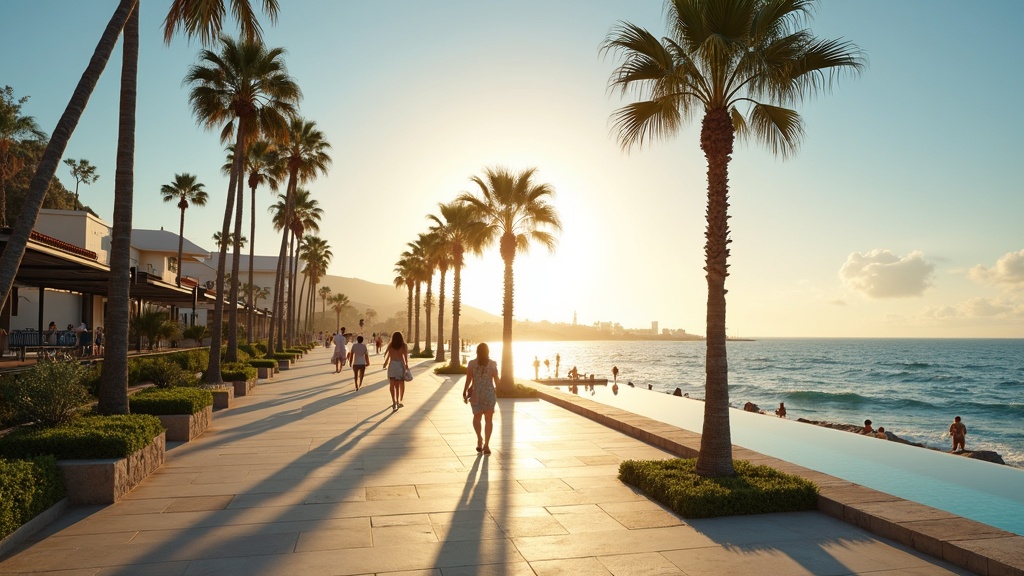
Why Andalusia's Climate Drives International Property Investment
During my 15+ years helping international families find their dream homes on the Costa del Sol, one question consistently tops every viewing: "What's the weather really like?" The answer is transformative. With over 320 sunny days annually, winter temperatures rarely dropping below 12°C, and summer highs of 28-32°C moderated by Mediterranean breezes, this region offers Europe's most consistent climate for year-round living.
The numbers tell the story. According to INE meteorological data, the Costa del Sol receives 2,900+ hours of sunshine annually—nearly double that of Northern European capitals. This isn't just pleasant weather; it's a lifestyle revolution that I've watched transform the lives of countless clients aged 45-70 seeking second homes, winter residences, or investment properties.
The secret lies in geography. The Sierra Blanca and Sierra Nevada mountain ranges shield us from northern cold fronts, whilst the Mediterranean Sea provides natural temperature regulation. Summer heat rarely becomes oppressive thanks to the "terral" and "levante" winds, while winters remain mild enough for golf, tennis, and alfresco dining throughout December and January.
Health and Lifestyle Benefits That Justify Premium Property Prices
The Costa del Sol's climate delivers measurable health benefits that my clients cite as primary purchase motivators. Consistent exposure to natural sunlight boosts vitamin D production by 40-60% compared to Northern European levels (University of Málaga, 2024). This directly impacts bone density, immune function, and seasonal mood regulation.
One Dutch client purchased a €750,000 villa in Marbella specifically to combat Seasonal Affective Disorder. After two winters here, his doctor reduced his antidepressant medication by half. These aren't isolated cases—the mental health benefits of consistent sunshine and outdoor activity opportunities are well-documented.
The climate enables year-round physical activity impossible elsewhere in Europe. Our 70+ golf courses operate 365 days annually, whilst Northern European courses close for 4-5 months. Tennis courts, hiking trails, and beach activities remain accessible even in January when temperatures hover around 16°C with 6+ hours of daily sunshine.
Property values reflect these advantages. Beachfront apartments command €4,000-8,000/m² premiums over inland alternatives, partly due to the enhanced microclimate benefits of coastal proximity. The sea breeze effect can reduce perceived temperatures by 3-5°C during summer months, eliminating the need for excessive air conditioning.
Costa del Sol's Unique Position Within Spain's Climate Zones
Spain's climatic diversity means location selection significantly impacts lifestyle quality. Having advised clients considering alternatives across the peninsula, I can definitively state why the Costa del Sol consistently wins.
Northern Spain—the Basque Country, Galicia—experiences 150+ rainy days annually with average winter temperatures of 8-12°C. Humidity levels frequently exceed 80%, creating conditions reminiscent of Northern Europe that our clients specifically seek to escape.
The Canary Islands offer stable temperatures (20-25°C year-round) but lack seasonal variation that many find monotonous. More critically, property prices have inflated 35% since 2020 (Idealista) whilst offering limited growth potential compared to mainland coastal markets.
Eastern Spain's Costa Brava experiences harsher winters (5-10°C) and the infamous "tramontana" wind that can reach 120 km/h, making winter outdoor activities uncomfortable. Valencia's "levante" winds create similar issues during autumn months.
Within Andalusia itself, inland cities like Seville and Córdoba endure summer temperatures exceeding 42°C without coastal cooling effects. Temperatures can remain above 30°C until midnight, necessitating air conditioning costs 60-80% higher than coastal properties.
The Costa del Sol's position creates optimal conditions: mountain protection from extreme weather systems, Mediterranean moderation of temperature extremes, and consistent atmospheric pressure that minimises weather-related health issues affecting older residents.
Seasonal Strategies for Property Investment and Lifestyle Planning
Understanding the Costa del Sol's seasonal patterns optimises both property selection and lifestyle planning. Each period offers distinct advantages that savvy investors leverage.
Spring and autumn (March-May, September-November) represent peak living conditions. Temperatures range 20-26°C with minimal rainfall and reduced tourist density. Golf courses offer their finest conditions, hiking trails are accessible, and restaurant terraces provide perfect outdoor dining. Many clients structure their residency around these periods, avoiding both winter cold in their home countries and summer crowds here.
Summer months deliver the full Mediterranean experience with average temperatures of 29°C, but coastal properties benefit significantly from sea breezes. Inland properties can experience 5-8°C higher temperatures, making location selection crucial. Beachfront and elevated properties command rental premiums of €200-400 per week during July-August due to superior climate conditions.
Winter presents the region's greatest competitive advantage. Whilst Northern Europe shivers through 4-5 months below 5°C, Costa del Sol maintains daily averages of 15-18°C. Golf remains comfortable, beaches are accessible for walking, and outdoor dining continues through December and January. This "winter sun" market drives significant property demand from Scandinavian, German, and British buyers seeking seasonal residences.
Property orientation becomes critical in this climate. South-facing terraces capture maximum winter sun but require shading solutions for summer comfort. West-facing properties offer spectacular sunsets but experience intense afternoon heat May through September. East-facing positions provide comfortable morning sunshine year-round with natural afternoon shade.
Modern developments increasingly incorporate climate-responsive design: deep overhangs for summer shade, cross-ventilation for natural cooling, and thermal mass construction that moderates temperature swings. These features add €50-100/m² to construction costs but deliver long-term comfort and energy efficiency that international buyers increasingly demand.
The investment implications are clear: properties designed for year-round climate comfort command higher rental yields (6-8% vs. 4-5% for standard apartments) and maintain stronger capital appreciation. Climate-conscious buyers recognise that weather isn't just about sunshine—it's about creating a sustainable lifestyle that justifies premium property investment on one of Europe's most climatically privileged coastlines.
Buyer decision matrix
| Factor | Why it matters | What buyers should verify |
|---|---|---|
| Documents | Wrong sequencing can delay the purchase. | NIE, lawyer, bank account, tax budget and payment evidence. |
| Costs | The asking price is not the full budget. | Taxes, notary, registry, lawyer, bank, insurance and community fees. |
| New build | Off-plan payments need protection. | Licence stage, bank guarantees, payment plan and handover terms. |
Local buyer context
A safe buying decision connects documents, banking, tax, legal review and local practice before reservation.
A buyer comparing London, Belfast, Dublin, Manchester or Amsterdam routes usually weighs flight rhythm, family visits, remote work and quieter-month practicality.
For new builds, connect the topic with licences, payment plan, materials, shared facilities, handover and aftercare.
New-build focus: For new builds, connect the topic with licences, payment plan, materials, shared facilities, handover and aftercare.
